
Last updated October 30, 2026
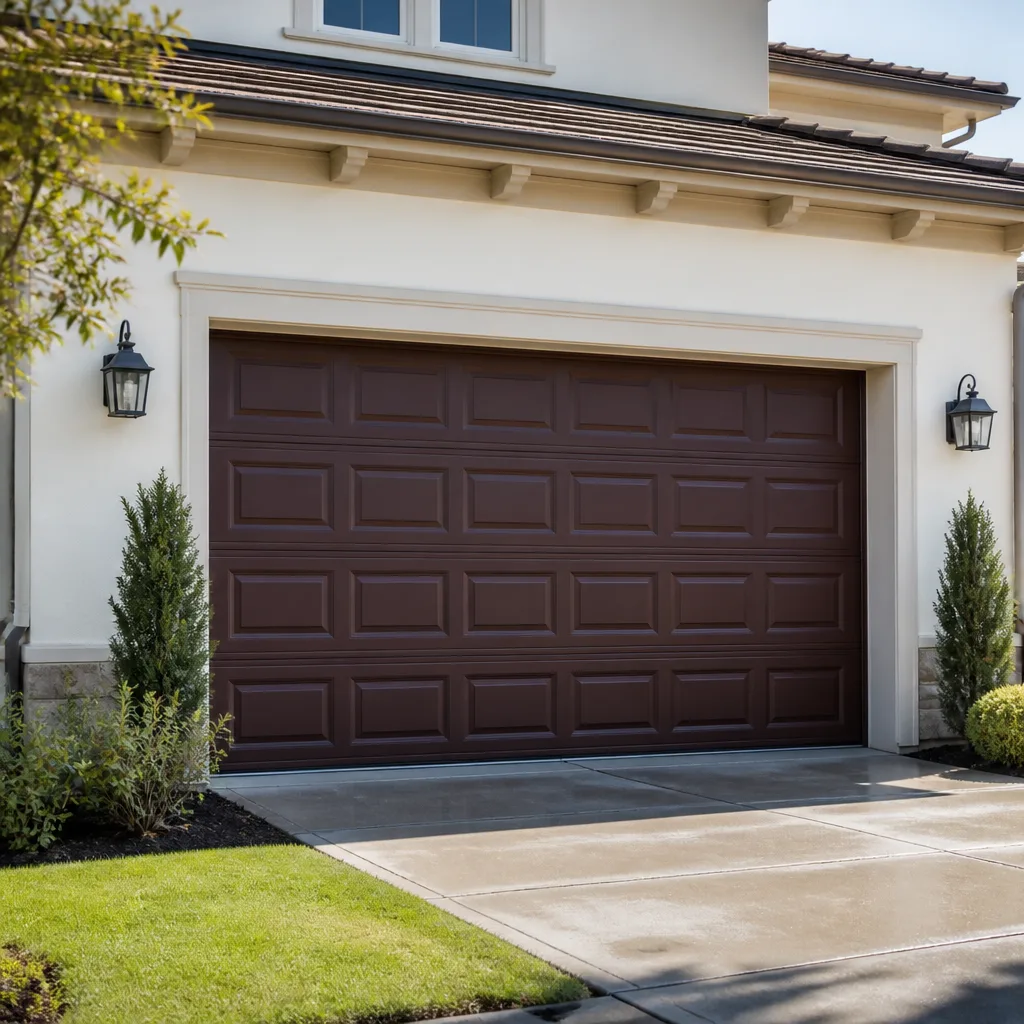 Raised-panel steel
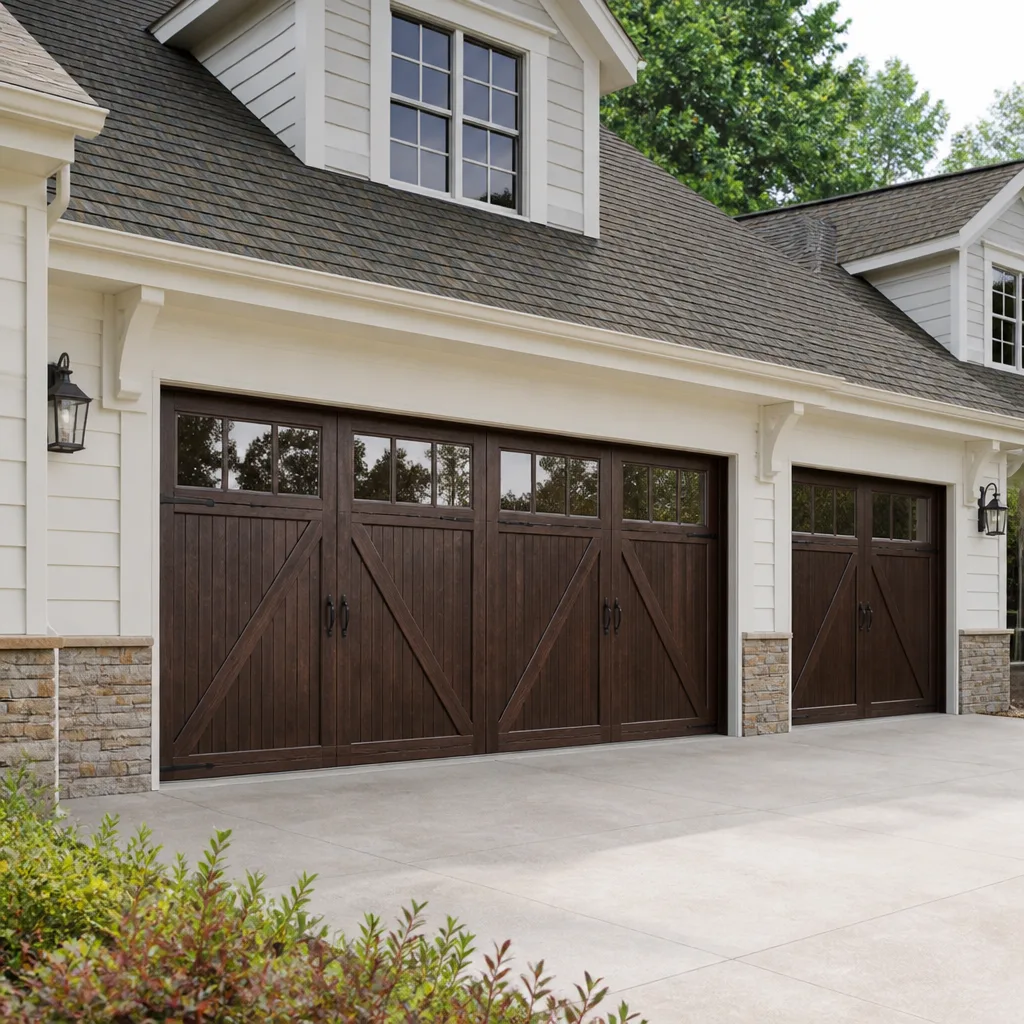 Carriage house
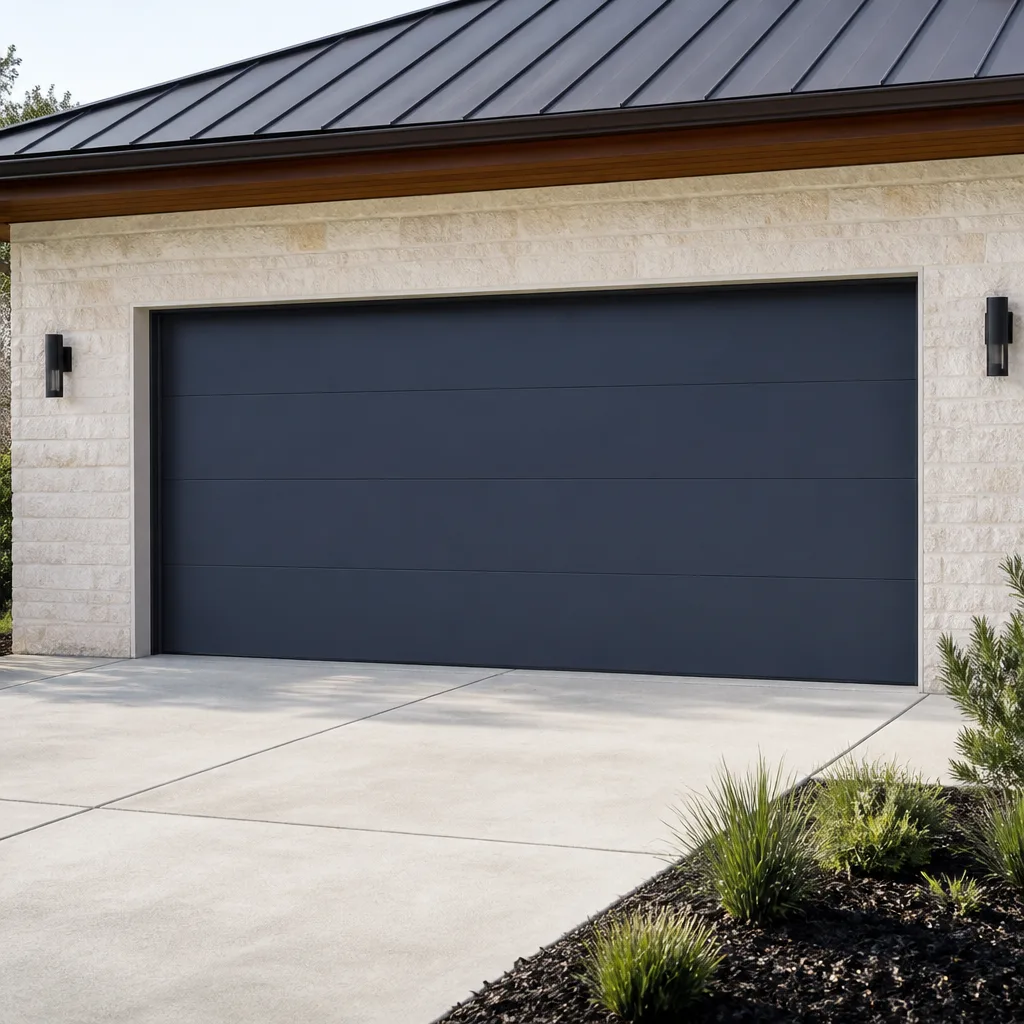 Modern flush
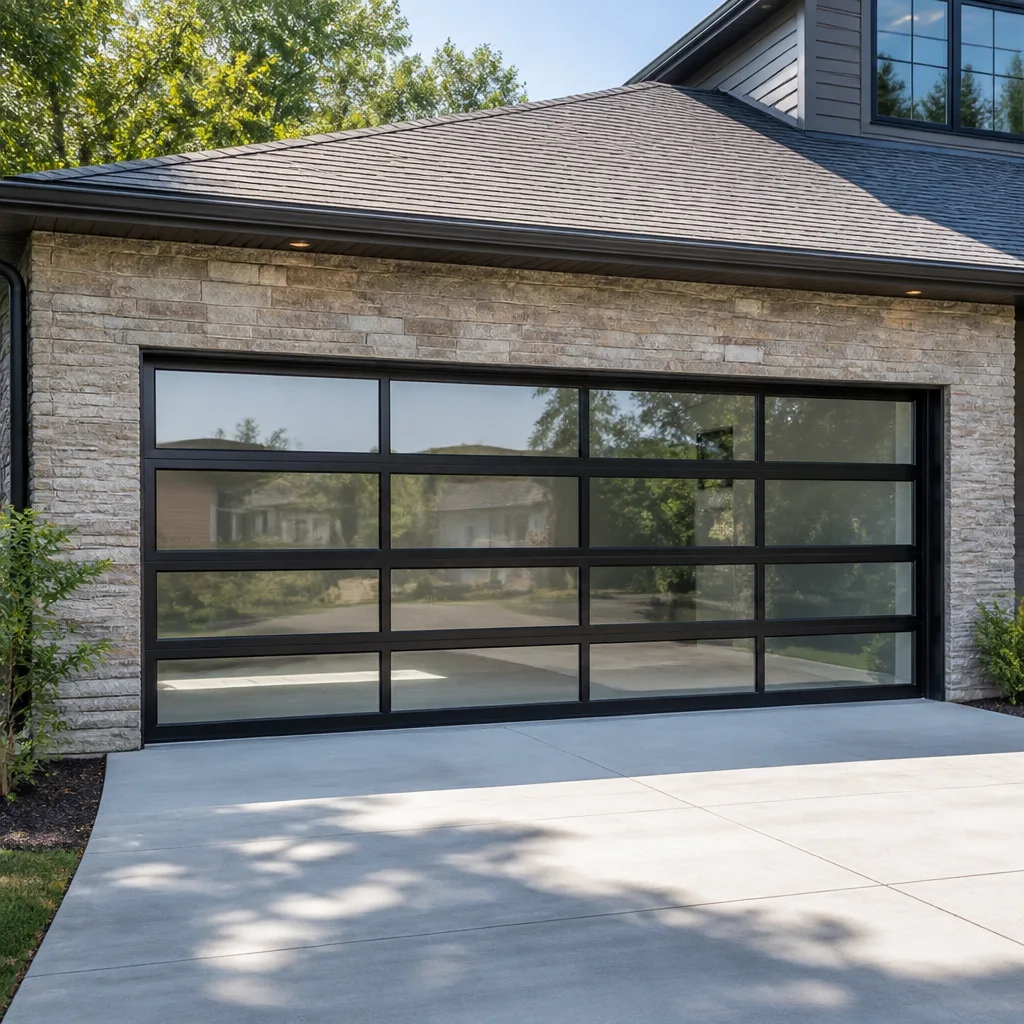 Full-view glass
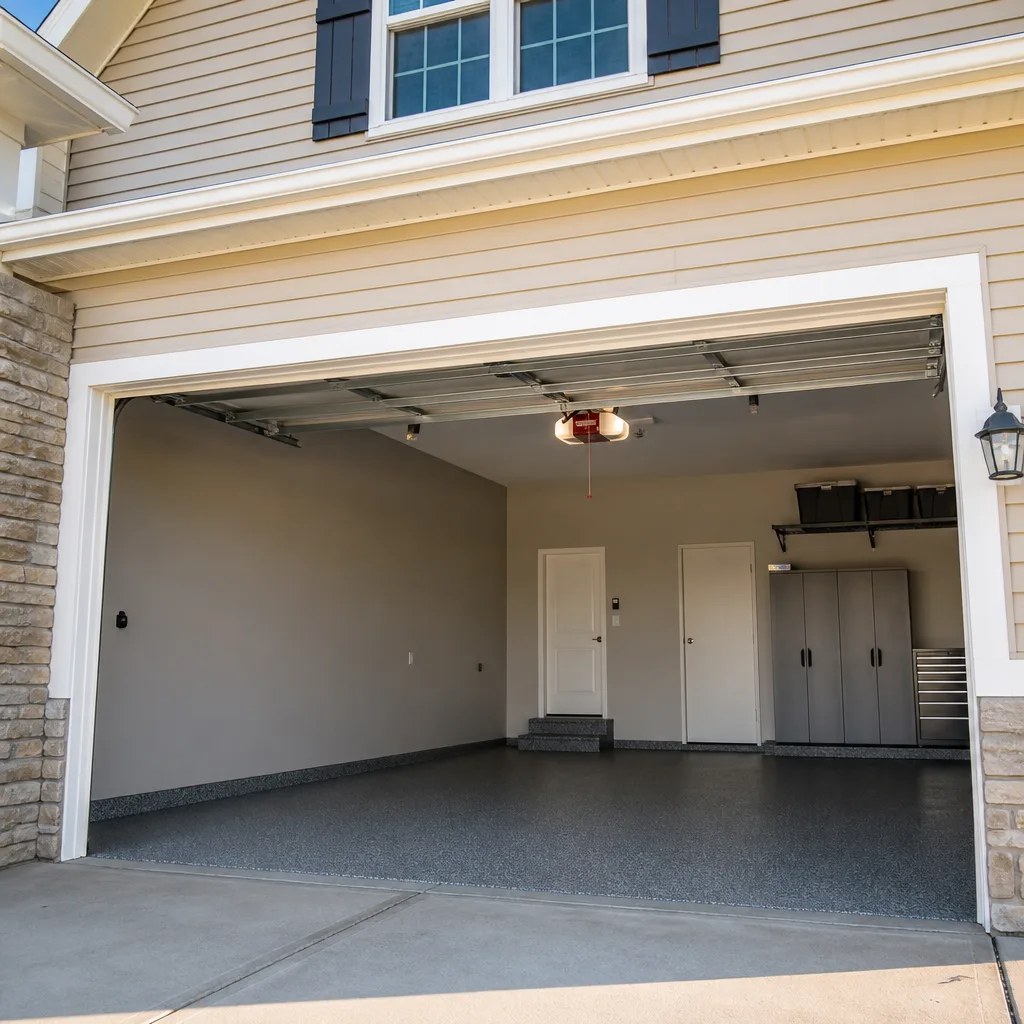 LiftMaster openers
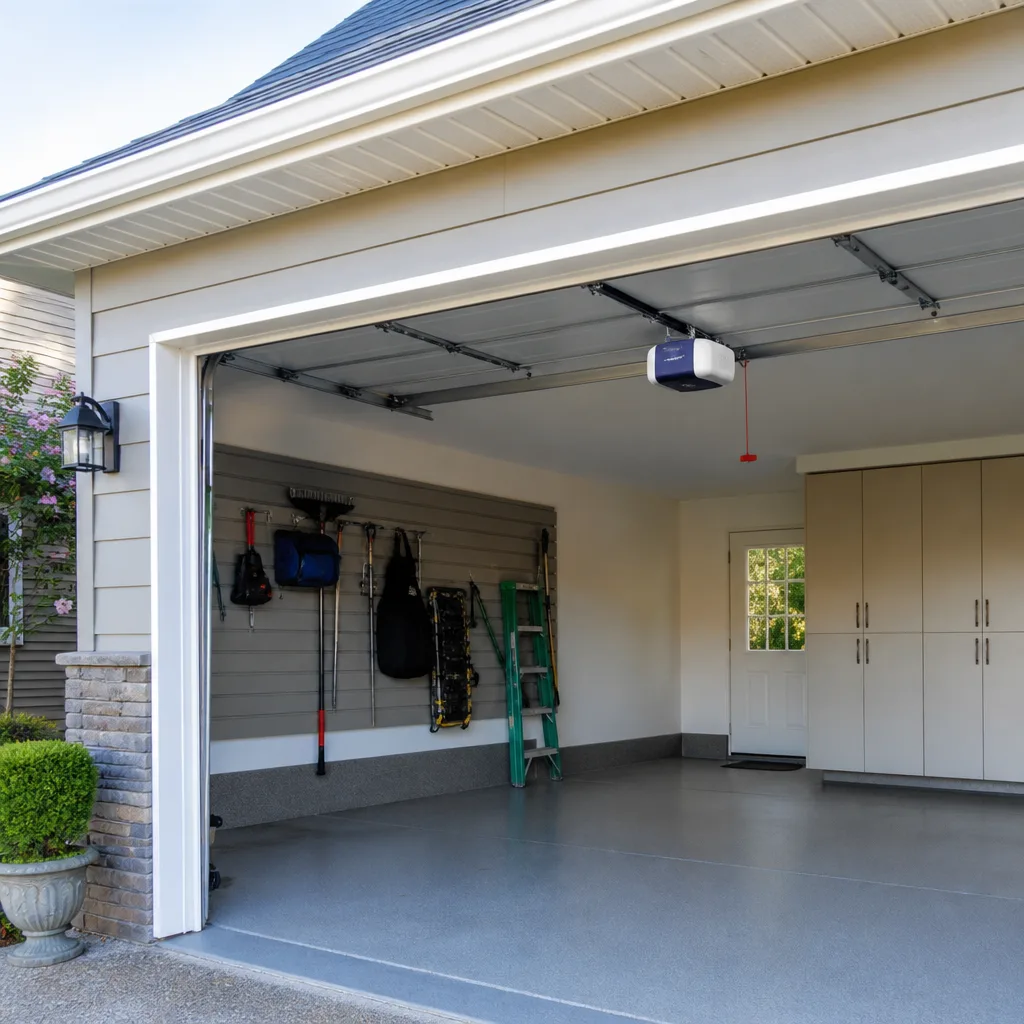 Chamberlain openers
Full 25-point door and opener safety check with every visit - springs, cables, rollers, tracks, and your LiftMaster or Chamberlain opener included
You get a price before we start. It does not change when the truck arrives.
Get your free estimateHow to Hire a Garage Door Contractor in San Bernardino: A Step-by-Step Guide
Most homeowners in San Bernardino don’t realize that California has a dedicated license for garage door contractors. It’s called the C-61/D28 Limited Specialty license, and checking for it takes about two minutes on the CSLB website. Yet most people skip that step entirely, and that’s exactly how unlicensed general handsmen end up swapping springs on residential doors across the Inland Empire. This guide walks you through the verification steps, the questions that expose a generalist posing as a specialist, and the specific red flags that show up more often in San Bernardino than almost anywhere else in Southern California. For more guides & resources, visit our blog.
Styles & brands we work with
Quick Answer
The fastest way to hire a qualified garage door contractor in San Bernardino is to verify their C-61/D28 license on the California State License Board website, ask for a written estimate that itemizes spring type and cycle rating, and confirm the company is a door-only specialist rather than a general handyperson. A legitimate garage door contractor quotes the job after seeing the door in person, lists brand names they service, and never pressures you into a same-day decision.
Table of Contents
- Step 1: Verify the C-61/D28 License (Before You Even Call)
- Step 2: Ask Which Brands the Contractor Actually Services
- Step 3: Confirm Garage Doors Are the Only Trade They Work In
- Step 4: Get a Written Estimate You Can Compare Side by Side
- Step 5: Watch for Red Flags Specific to the San Bernardino Market
- Step 6: Ask About Post-Installation Support Before You Sign
- Homeowner Checklist: 10 Questions That Separate a Specialist From a Generalist
- Common Mistakes to Avoid
- When to Call a Professional
- Frequently Asked Questions
- The Bottom Line
Step 1: Verify the C-61/D28 License (Before You Even Call)
California law requires any contractor performing garage door work over $500 in labor and materials to hold a C-61/D28 Limited Specialty license. This applies to spring replacement, full door installation, opener work, and most repair jobs where the spring is under load. The license is issued by the Contractors State License Board, and any contractor working in San Bernardino must carry it regardless of where their home office sits.
Here’s the part most homeowners miss: garage door work falls under a different licensing category than general construction. A general contractor with a B license can legally pull permits and frame an addition, but that same B license does not specifically qualify them to set torsion spring tension safely. The C-61/D28 exists precisely because garage door springs, tracks, and openers demand a narrow technical skillset that general contracting exams don’t cover.
Verifying the license takes less than two minutes:
- Go to the CSLB website (cslb.ca.gov) and open the “Check a License” tool
- Enter the contractor’s license number, business name, or the owner’s name
- Confirm the classification reads “C-61/D28 – Garage Door” or “Door and Gate”
- Check that the license status says “Active” and that there are no pending suspensions
- Look at the bond amount and workers’ comp status on the same page
If a contractor tells you they don’t need a C-61/D28 license because the job is small, that’s a signal they’re working outside the legal structure. The license requirement is tied to the total scope of work, not the size of any individual spring. We’ve seen unlicensed crews in the Muscoy and Del Rosa neighborhoods quote low spring prices, and the homeowner later discovers the spring wasn’t rated for the door’s weight or cycle count. The Garage Door Repair in San Bernardino work we perform always begins with a door-weight and cycle check, which is the kind of thing the licensing exam actually tests.
Step 2: Ask Which Brands the Contractor Actually Services
One of the fastest qualification filters in San Bernardino is brand range. A single-brand installer might know one product line deeply, but that’s not helpful when your garage already has a Wayne Dalton door with a Genie opener and a mismatched Chamberlain wall console. The question to ask is simple: “What brands do you work on?”
Listen for specifics. A contractor who answers “all brands” without naming any is often stalling. A specialist should be able to rattle off brand names from memory because they’ve opened and repaired them this month. Here’s why this matters in practical terms:
- LiftMaster and Chamberlain share corporate ownership but use different logic boards and rail systems. A technician who knows one doesn’t automatically know the other.
- Genie uses a screw-drive system on many models, which requires different adjustment procedures than chain-drive LiftMaster units.
- Clopay and Amarr doors have different spring anchoring methods on residential torsion systems, even when the doors look identical from the outside.
We work on LiftMaster, Chamberlain, Genie, Clopay, Amarr, Wayne Dalton, Craftsman, and Raynor because those eight brands account for the overwhelming majority of doors and openers installed in North American garages. That’s not a marketing line; it’s a service decision. When a homeowner in the North End calls about a Genie opener grinding halfway up the rail, the tech needs to recognize the model immediately. When a landlord near Cal State San Bernardino calls about three rental properties, each with a different brand of opener, the tech needs to carry parts that work across all three.
Brand fluency also matters when you’re deciding between repair and replacement. A contractor limited to one door brand will naturally steer you toward that brand, whether or not it’s the right choice for your garage. A cross-brand specialist can tell you honestly whether your existing Raynor door is worth repairing or whether a new Clopay panel would serve you better. The Garage Door Opener Repair in San Bernardino decisions we help homeowners make are grounded in what they currently own, not what we happen to carry.
Step 3: Confirm Garage Doors Are the Only Trade They Work In
San Bernardino has a deep bench of capable general handymen. Some of them are honest, skilled, and reasonably priced. But a handyman’s strength is breadth: they can patch drywall, fix a leaky faucet, swap a light fixture, and yes, maybe rebalance a garage door. The problem is that garage doors are one of the few household systems where an incorrect repair creates an immediate physical danger.
Torsion springs store enough energy to lift a 150 to 300 pound door. When one breaks and is replaced incorrectly, the spring can slip off the cone and release that energy in an instant. The injuries are severe, and they happen fast. A contractor who does three garage door jobs a year doesn’t have the muscle memory to spot the subtle warning signs: a worn center bearing, a slightly bent torsion tube, a cable that’s fraying where it wraps the drum.
A door-only specialist lives inside this scope. Our company performs three services: Garage Door Installation, garage door repair, and garage door opener repair. In previous years, we’ve also handled commercial and residential door systems across the city, but the throughline never changed: every service call is a garage door. Garage doors are all we do. When a technician’s whole week is doors, they develop pattern recognition that a generalist cannot match, the same way a cardiologist catches an ECG anomaly that a general practitioner might miss.
Ask the contractor to name the last three jobs they completed. If two of the three are doors and the third is a bathroom faucet, you have your answer. If all three are door-related, you’re talking to someone who earns their living in the trade, not passing through it.
Step 4: Get a Written Estimate You Can Compare Side by Side
Most homeowners in San Bernardino compare garage door estimates by looking at one number at the bottom of the page. That’s the wrong way to do it. The only way to compare estimates fairly is to know exactly what each contractor is installing or repairing, because a $280 spring replacement and a $460 spring replacement can both be fair prices for different products.
A useful estimate itemizes at least these five things:
- Spring type: torsion or extension. Torsion springs are the industry standard for doors built after about 1990. If a contractor quotes an extension spring system for a modern door, ask why.
- Cycle rating: the spring’s lifespan, measured in open-close cycles. Most builder-grade springs carry a 10,000-cycle rating. High-cycle springs go 25,000 to 50,000 cycles. The difference in lifespan is four to ten years, and it should be reflected in the price.
- Hardware grade: bearings, cables, rollers, and hinges. If the estimate lists brand names and cycle ratings for hardware, the contractor is doing more than swapping the obvious part.
- Labor warranty: if the estimate doesn’t state a labor warranty in writing, assume there isn’t one, regardless of what the estimator says in person.
- Parts warranty: brands like Genie and LiftMaster carry their own parts warranties, but the contractor should state which parts fall under it.
Spring replacement pricing in San Bernardino currently runs from about $180 for a single low-cycle torsion spring to $600 or more for a high-cycle pair with new cables, bearings, and rollers. That range exists for a reason. When you compare two quotes, the higher one is not automatically a rip-off; you need to look at what’s actually specified. A two-spring system costs more than a single-spring system because both springs should be replaced together even if only one failed.
Ask the contractor to explain the cycle rating on the proposed spring. If they hesitate or say “they’re all basically the same,” that’s a technician who doesn’t know springs. End the call.
Step 5: Watch for Red Flags Specific to the San Bernardino Market
Every city has contractor scams, but San Bernardino has a few patterns that show up more often than elsewhere in the Inland Empire. Here are the ones we hear about from homeowners after the fact:
- No physical address. Look at the contractor’s website and business card. If there’s only a phone number and a vague service area, you’re probably talking to a dispatch service that subcontracts to whoever is available that day. That’s not always illegal, but it means the person who shows up at your door bears no relationship to the person who took your call.
- A quote given without seeing the door. No competent garage door contractor prices a spring or panel replacement over the phone. The door’s weight, the track condition, the opener type, and the spring configuration all affect the price. A phone quote is a sales tactic, not an estimate.
- Same-day pressure. The “it’ll be $200 more if I have to come back” line is a classic. Legitimate contractors quote a price and let you think about it. In San Bernardino, high-pressure door-to-door crews tend to work the neighborhood around Meadowbrook Park and the older subdivisions near Baseline Street, often after windstorms.
- Extremely low spring prices. We see flyers advertising $99 spring replacement in San Bernardino. A $99 torsion spring replacement means the spring is either counterfeit, the wrong cycle rating, or the price is a loss leader designed to uncover “other problems” once the tech is in the garage.
- No online presence beyond a Google Maps pin. A contractor with no website, no reviews, and no brand history can still be legitimate, but you have no way to verify them. The CSLB license check becomes even more important in that situation.
One of the most common scenarios we hear from San Bernardino homeowners goes like this: a handyman quoted $150 for a spring replacement, showed up without the right spring, installed one anyway, and now the door slams shut when the opener releases. By the time we’re called, the homeowner has paid $150 for an unsafe repair and now needs a second service call to do the job correctly. The right repair, not just the fast one, is how we’ve built our San Bernardino Garage Door Co home reputation over the years.
Step 6: Ask About Post-Installation Support Before You Sign
The estimate looks good, the license checks out, and the installer knows the brand on your ceiling. There’s one more layer to evaluate, and it’s the one most homeowners skip: what happens when the door fails on a Sunday night, two months after the installation? Our Seasonal Garage Door Care for San Bernardino: Year-Round Homeowner’s Guide explains how to prevent these surprises.
Post-installation support splits contractors into two groups. The first group has an answering service. You call, the service takes a message, and a dispatcher calls you back between 9 and 5 on Monday. The second group has technicians who answer the phone or return messages directly. The difference matters more than most people think, because garage doors fail on their own schedule. A cable snaps on a Saturday afternoon when the opener is already under strain from a misaligned track. The spring gives out when the temperature drops and the metal contracts.
Ask these questions before signing the estimate:
- “If the door won’t close at 8 p.m. on a Sunday, who do I talk to?”
- “Is the person answering the phone someone at the company, or is it a call center?”
- “How do warranty repairs work if the door fails at night?”
- “Do you keep service records for my door, or do I need to track my own?”
- “What’s the process if I need parts outside of normal business hours?”
None of these questions have a single correct answer. A competent contractor might use an answering service during business hours and still return calls the same evening. The point is to understand the model before you need it. A landlord managing six rental properties in San Bernardino has different support needs than a single-family homeowner who can wait until Monday morning.
Homeowner Checklist: 10 Questions That Separate a Specialist From a Generalist
This checklist is designed to be used on a phone call or during an in-person estimate. Copy it, keep it by the door, and ask every contractor the same ten questions. The answers, or more often the dodges, will tell you everything you need to know.
- What’s your CSLB license number, and what’s the classification? A specialist answers “C-61/D28” without pausing. A generalist changes the subject.
- What brands of openers do you repair? Look for specific names: LiftMaster, Chamberlain, Genie, Craftsman. “All of them” is not an answer.
- What brands of doors do you install? Only a specialist can discuss the differences between Clopay, Amarr, and Wayne Dalton product lines.
- Do you install extension springs or only torsion? Both have legitimate applications, but most modern residential doors call for torsion. A contractor who installs extension springs as a default is behind the times.
- What cycle rating do you recommend for my spring? A blank stare means you’re talking to someone who doesn’t understand spring engineering.
- Can you show me the printed spec on the spring before installing it? Reputable springs carry a manufacturer tag with the cycle rating.
- Will you weigh the door before ordering the spring? The spring must be matched to the door’s actual weight, not a chart guess.
- Who handles opener repair, you or a subcontractor? Some door companies outsource opener electronics to an electrician. A garage-door-only specialist keeps it in-house.
- Can I see a copy of your liability insurance certificate? Named garage door work, not just general contracting coverage.
- What’s your physical address? If there’s no physical shop, that’s a flag, not automatically a disqualifier, but the answer should make sense.
Common Mistakes to Avoid
- Hiring the first contractor who answers the phone. Availability is not the same thing as qualification. A specialist who’s booked out a week is often busier than a generalist because they’re better at doors. But when a door won’t close and your car is trapped inside, waiting a week isn’t always practical. Balance urgency with verification.
- Choosing the lowest quote without reading the spec. A $99 spring replacement is not the same product as a $280 high-cycle spring. If you choose on price alone, you’ll choose the lowest-quality spring in San Bernardino County.
- Believing a handyman who says “springs are easy.” Torsion spring work is one of the most dangerous repairs in residential construction. The fact that someone is confident doesn’t mean they’re qualified.
- Skipping the license check because the contractor “seemed nice.” The CSLB exists because the state learned the hard way that unlicensed door work leads to serious injuries. Check the license, no matter how pleasant the conversation.
- Not asking about the cycle rating on a replacement spring. Most homeowners have no idea that springs are rated for a specific number of cycles. If you don’t ask, the contractor might install a 10,000-cycle spring when a 30,000-cycle spring would have been only slightly more expensive.
- Accepting a phone quote for spring or panel replacement. No qualified contractor prices these jobs sight unseen. A phone quote is a sign the contractor plans to upsell you on site.
- Paying the full amount upfront. A licensed contractor with a physical address and a real operation can cover parts on their own account. Demanding full payment before the job starts is a red flag.
When to Call a Professional
Some garage door issues are cosmetic or minor, and you can live with them for a while. Others demand a professional, and not just any professional: a contractor who works on doors every day. Call a garage door specialist immediately if your door won’t stay closed, if you hear a snap and the door slams or won’t open, if the cables are frayed or hanging loose, or if the opener is making a grinding sound that wasn’t there last week. A snapped torsion spring is a dangerous failure. So is a cable that’s started to unwind from the drum. From panel to opener to spring, the whole system is under tension even when the door looks closed and quiet. If you’re in San Bernardino and you’re not sure whether your door is safe to operate, we’ll walk you through what to check over the phone. San Bernardino Garage Door Co offers free estimates in San Bernardino – call (855) 763-8905 and we’ll help you figure out whether the door can wait or needs attention now.
Frequently Asked Questions
Go to cslb.ca.gov, click “Check a License,” and enter the contractor’s name or license number. Look for an “Active” status and a classification of C-61/D28 (Garage Door). If the classification is missing or the status shows anything other than Active, do not let that contractor work on your door.
Single torsion spring replacement in San Bernardino typically ranges from $180 to $340 installed, while a full pair of high-cycle springs with new cables and bearings runs $400 to $650. The final price depends on the door’s weight, the spring’s cycle rating, and whether both springs need replacement. Call (855) 763-8905 for an exact quote on your specific door.
A C-61/D28 is a Limited Specialty license specifically for garage door work. A general B license covers broader construction but does not demonstrate the specific garage door knowledge that the D28 exam tests. California law requires the D28 classification for garage door contracts over $500.
Only if they hold a C-61/D28 license. A handyman operating without that classification is working outside California law when the job exceeds $500. Even for smaller jobs, an unlicensed handyman is unlikely to carry liability insurance that covers garage door work.
The biggest variable is spring quality. A builder-grade 10,000-cycle spring is far cheaper than a high-cycle 30,000-cycle spring, but it wears out three times faster. Hardware grade, labor warranty, and brand of door or opener also drive price differences. The lowest quote is often the lowest-spec product, not the best value.
A capable contractor should service LiftMaster, Chamberlain, Genie, and Clopay at minimum. The broader the brand range, the more likely the technician can handle your existing door without steering you into an unnecessary replacement. We service these brands and several others, because homeowners across San Bernardino own a mix of brands installed over decades.
The Bottom Line
Hiring a garage door contractor in San Bernardino comes down to verification, specificity, and the discipline to walk away from a bad quote. Verify the C-61/D28 license on the CSLB website before you call. Ask which brands the contractor services, and listen for specific names. Get a written estimate that itemizes spring type, cycle rating, hardware grade, and warranty terms. Be wary of no-address operations, phone quotes, and same-day pressure. And remember that the lowest price is rarely the best repair. When the door is under tension, the cheapest mistake is the one you catch before the work begins. We’re the team that works on the brand you already have, from panel to opener to spring, and we’re happy to answer your questions at (855) 763-8905. For deeper repair guidance, see The Complete Garage Door Repair Guide for San Bernardino Homeowners.
Written by the team at San Bernardino Garage Door Co, serving San Bernardino since 2016.
See the difference
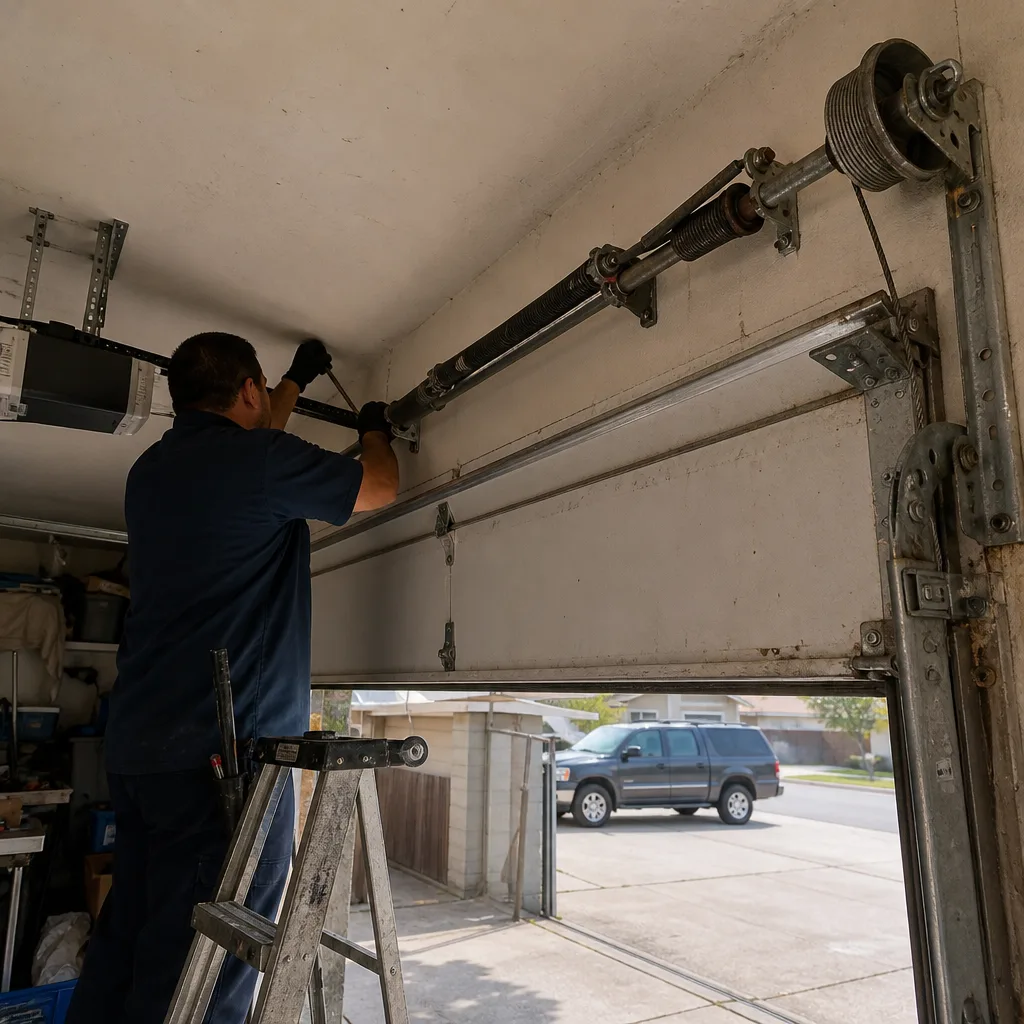 Before
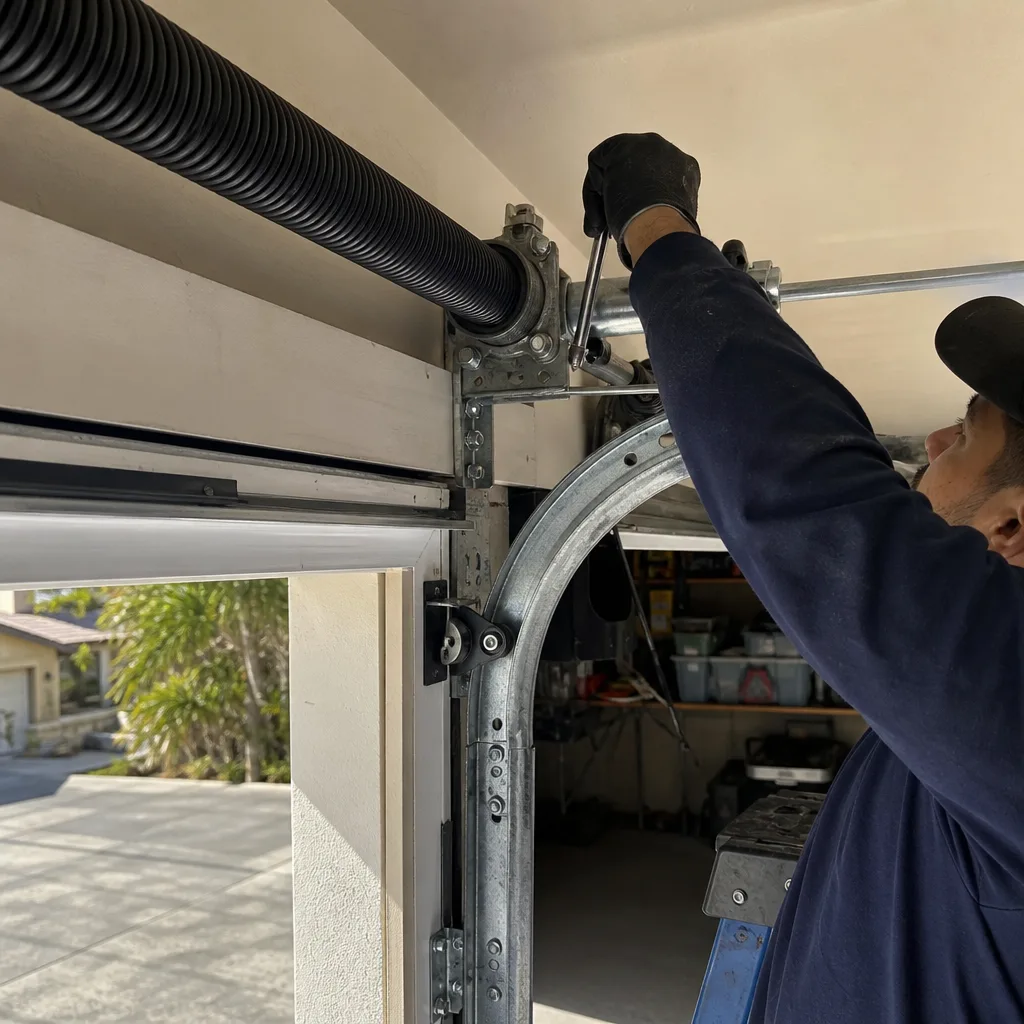 After
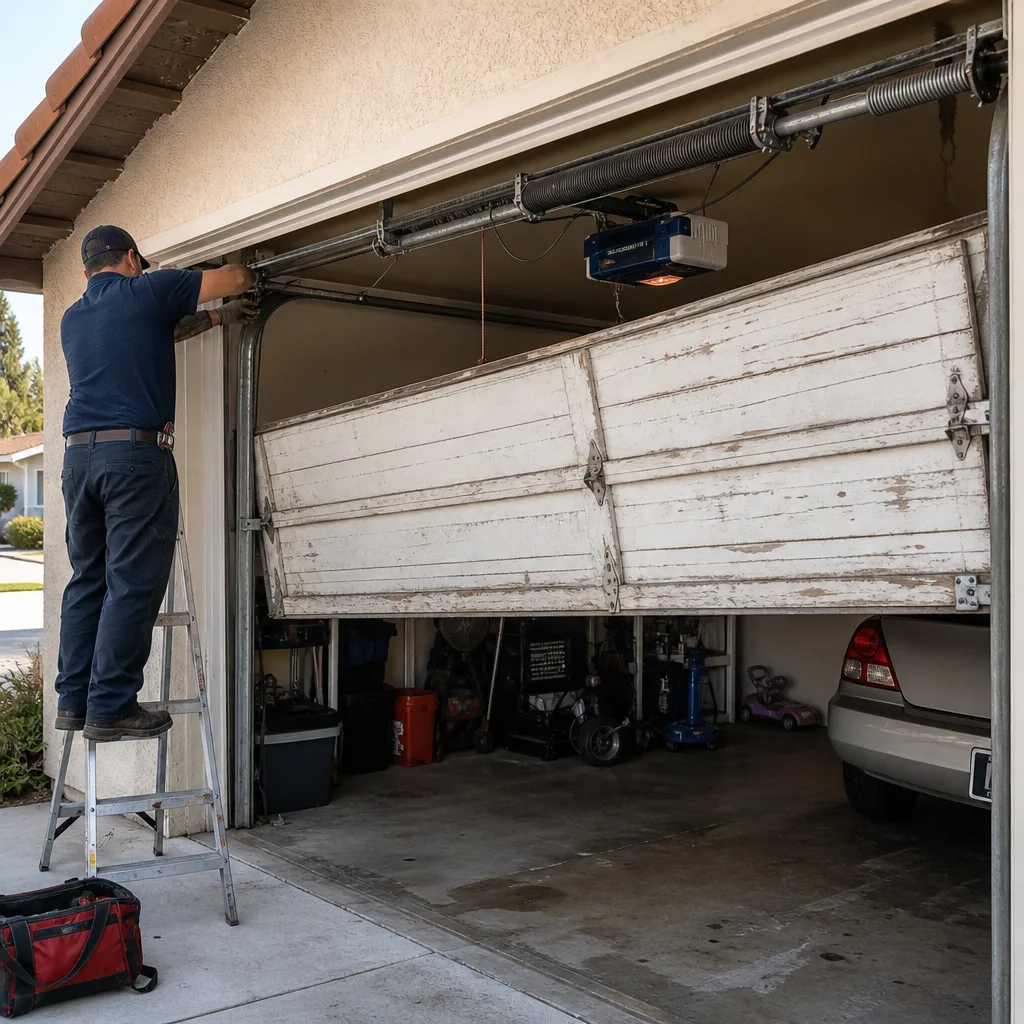 Before
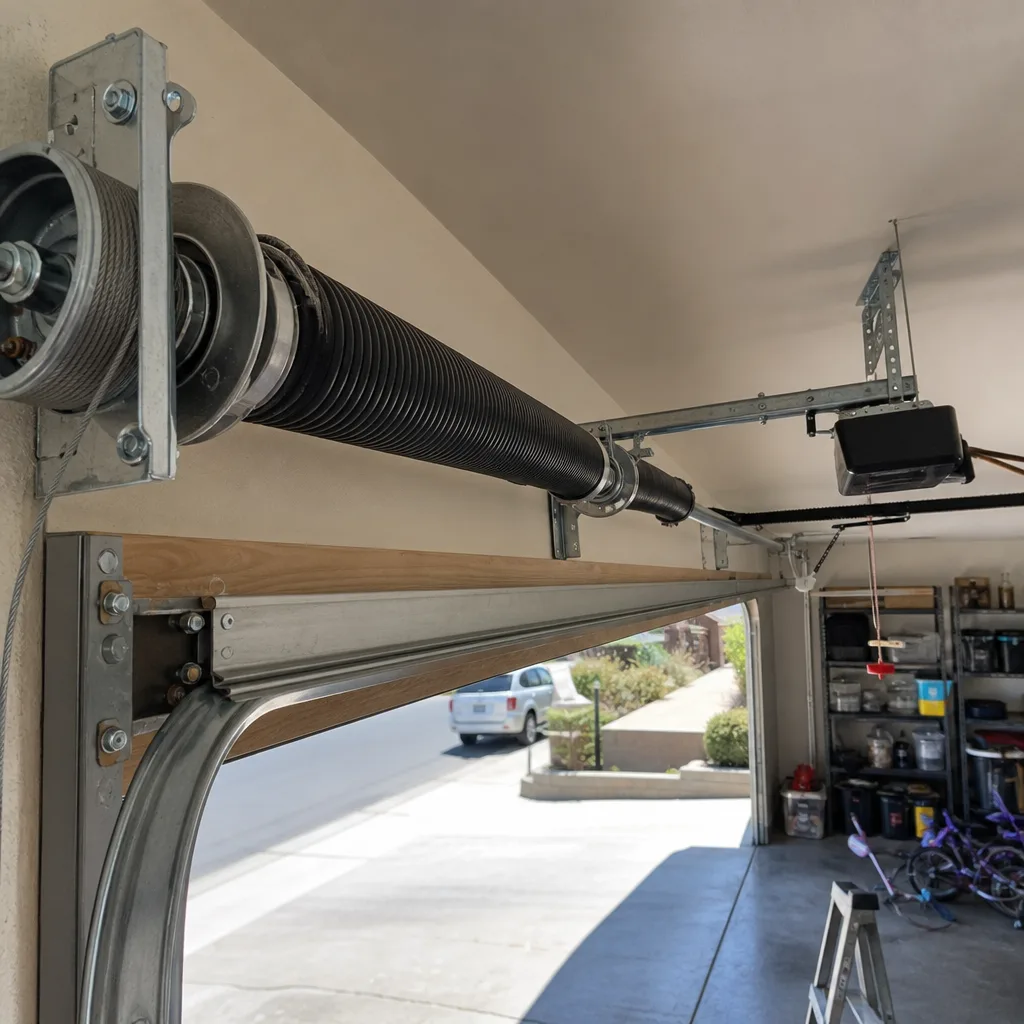 After
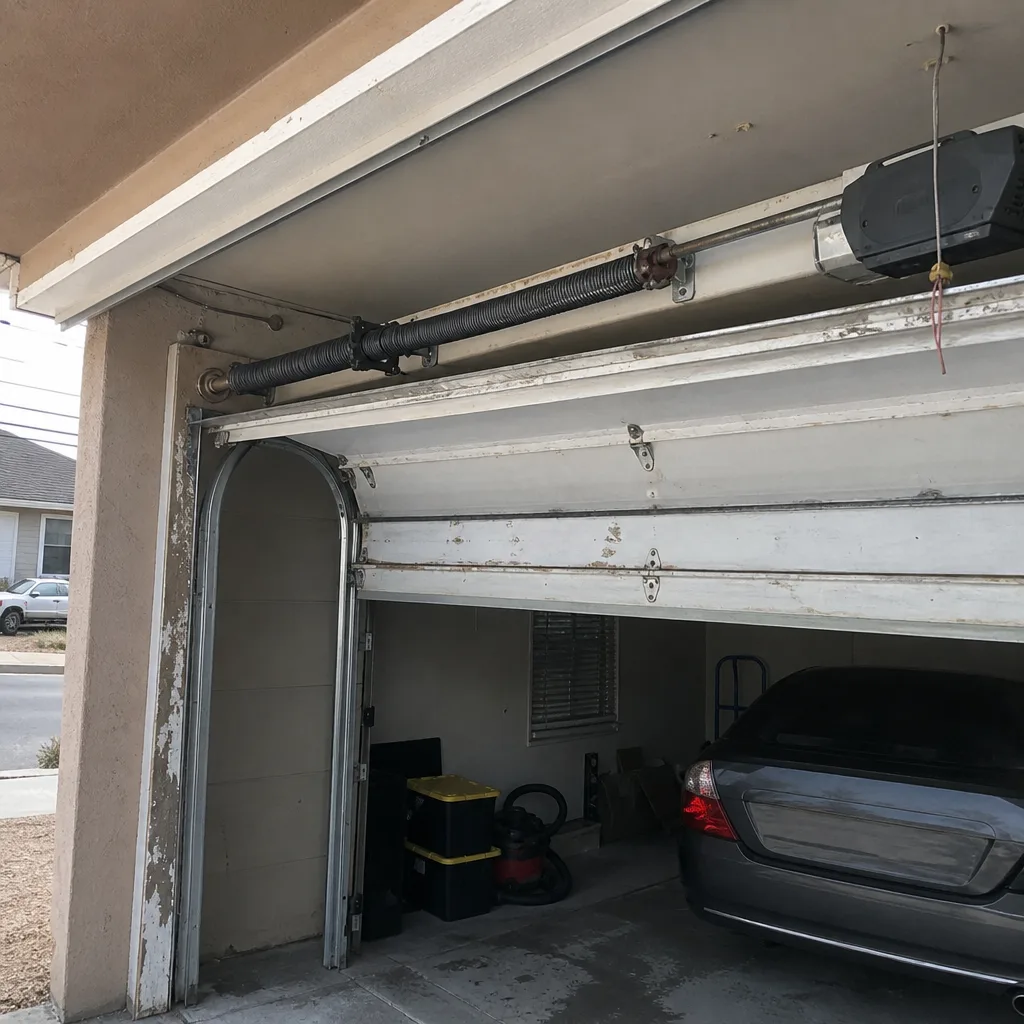 Before
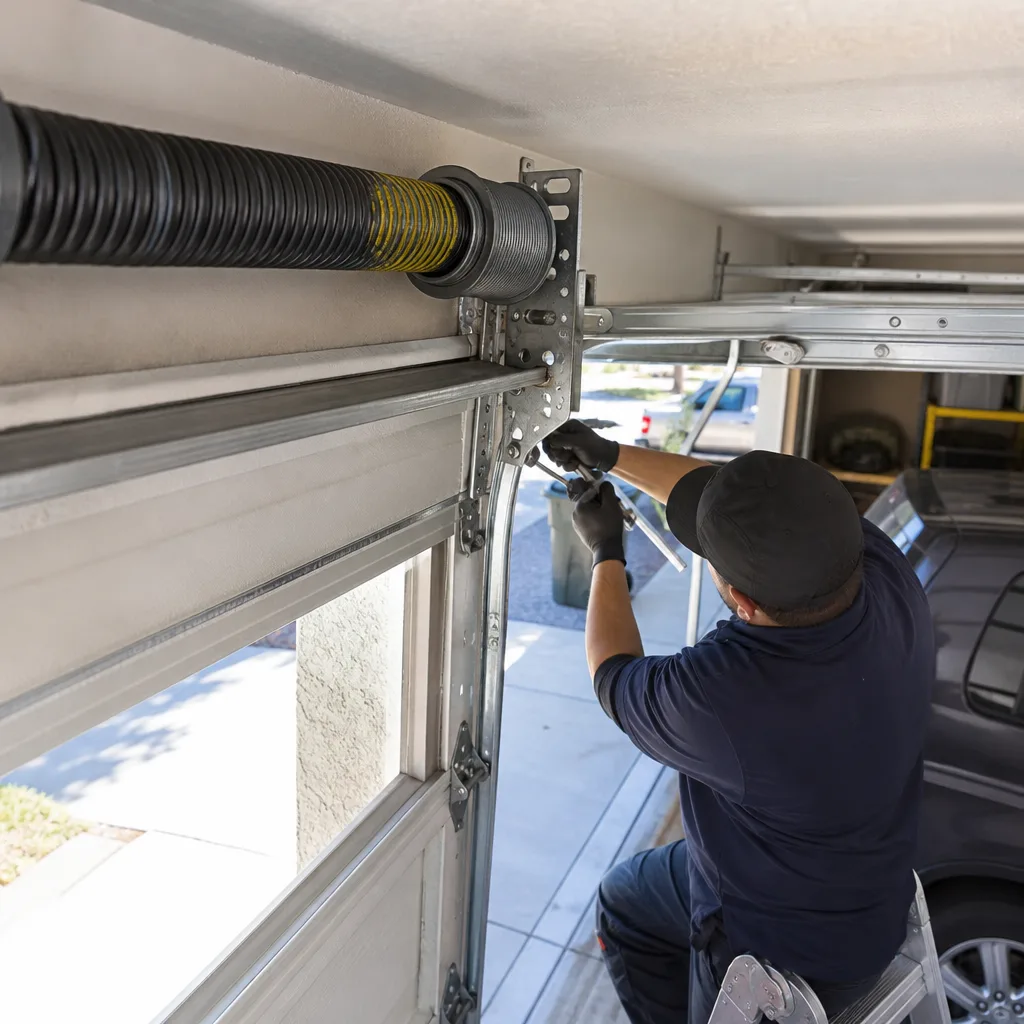 After