
Last updated October 30, 2026
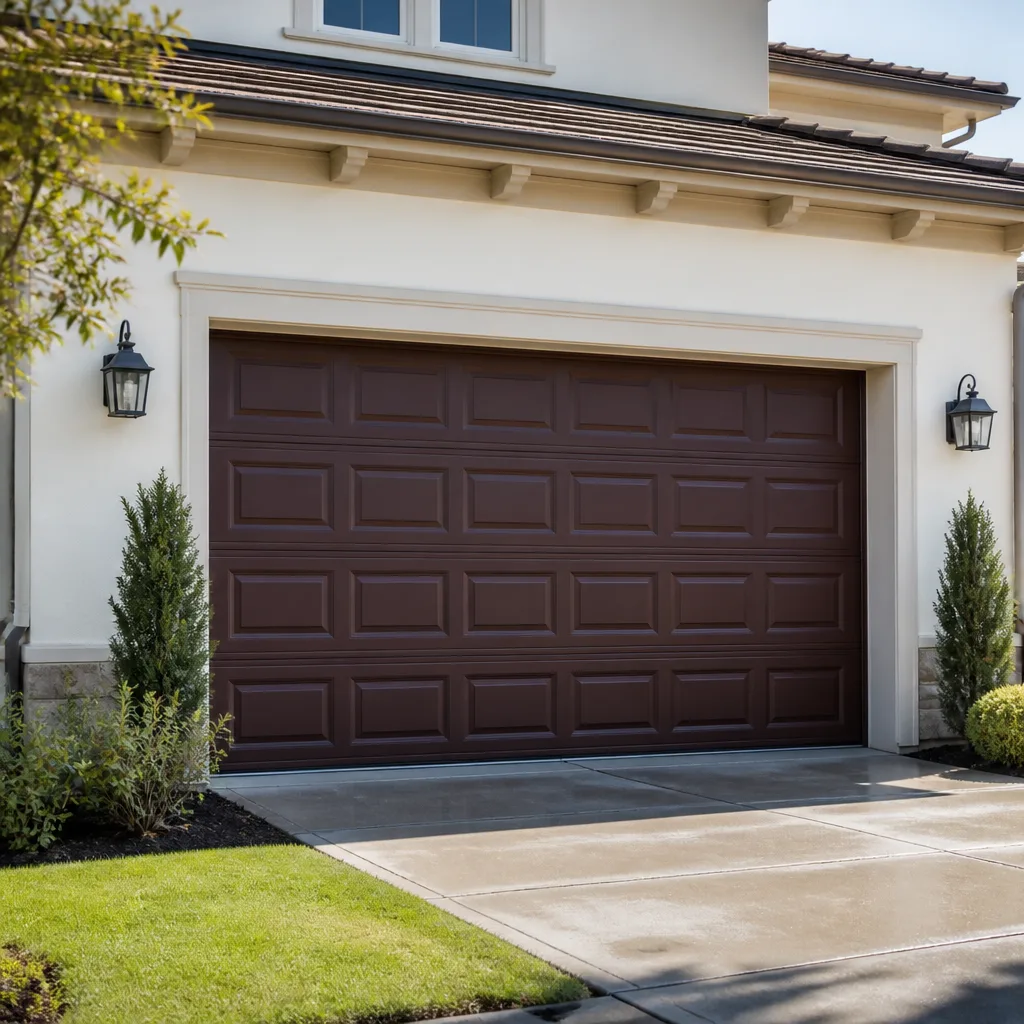 Raised-panel steel
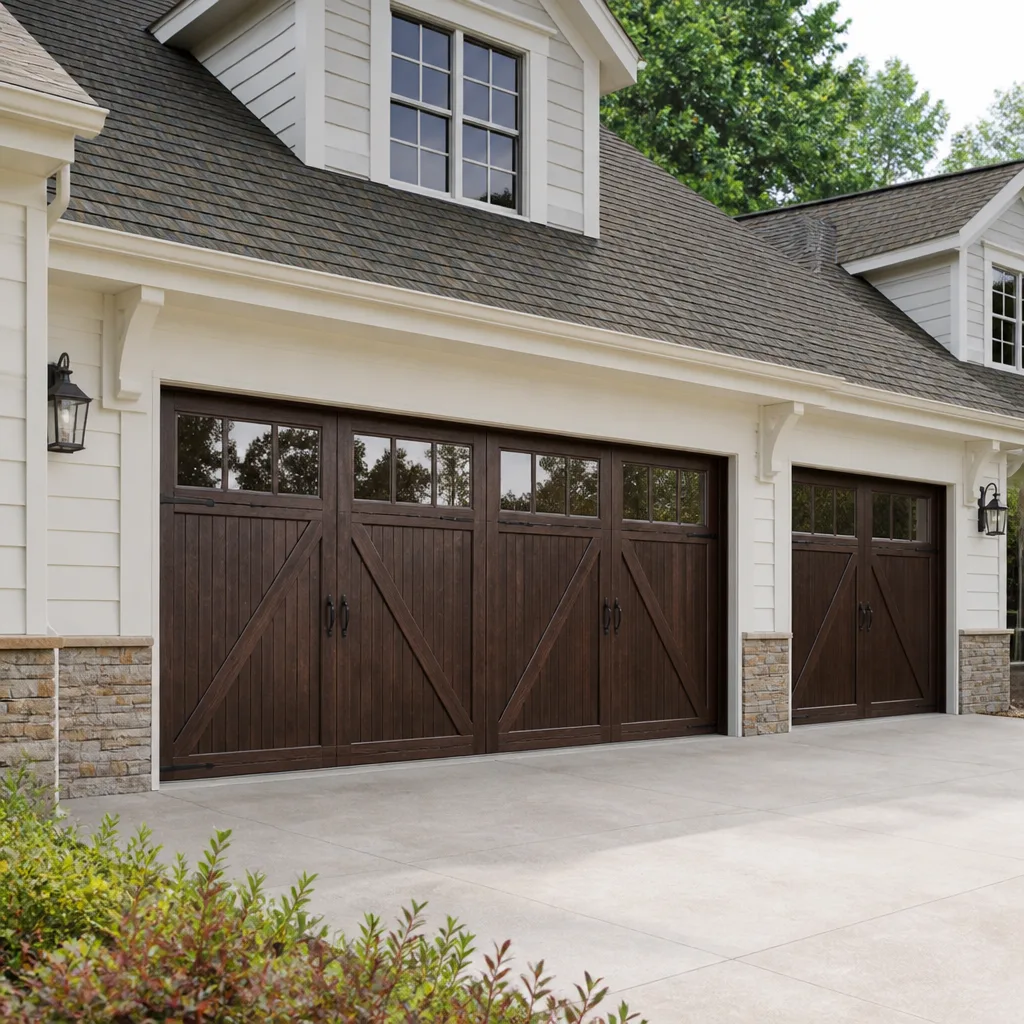 Carriage house
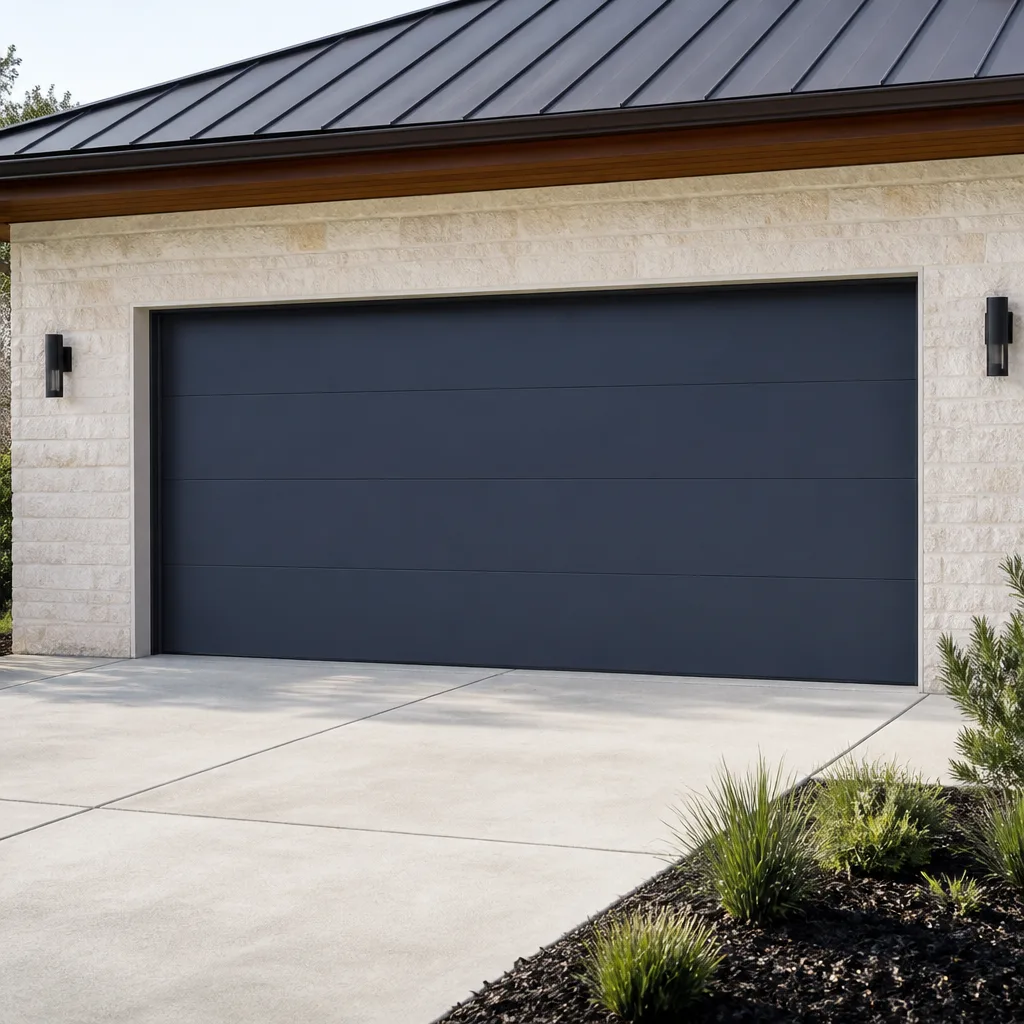 Modern flush
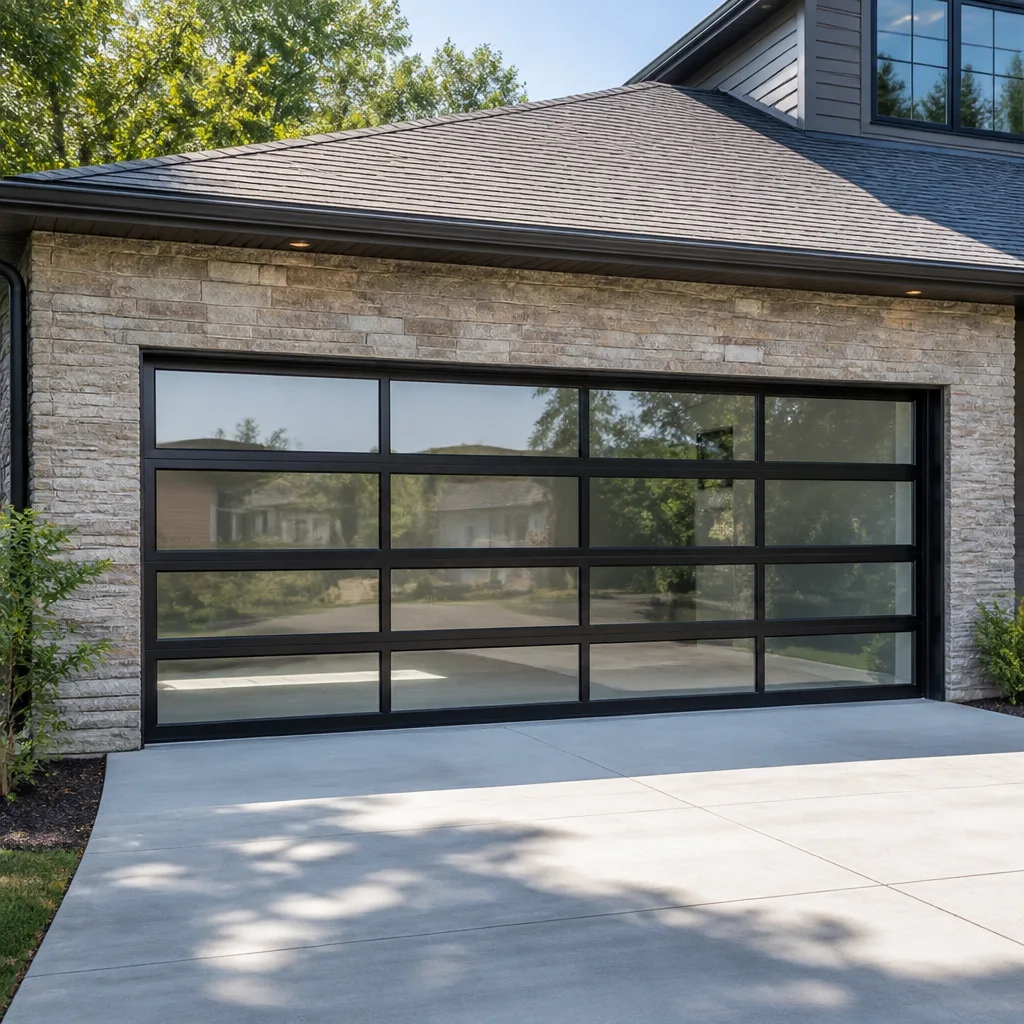 Full-view glass
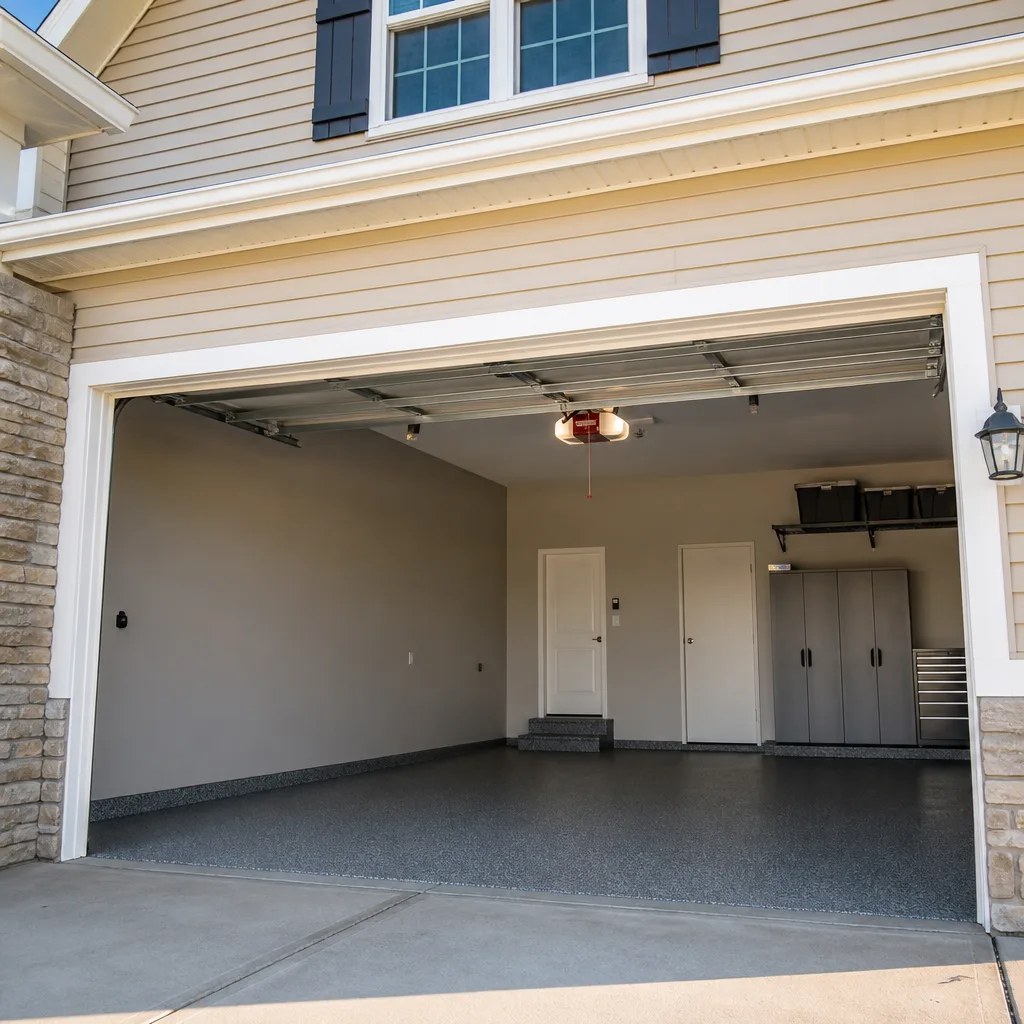 LiftMaster openers
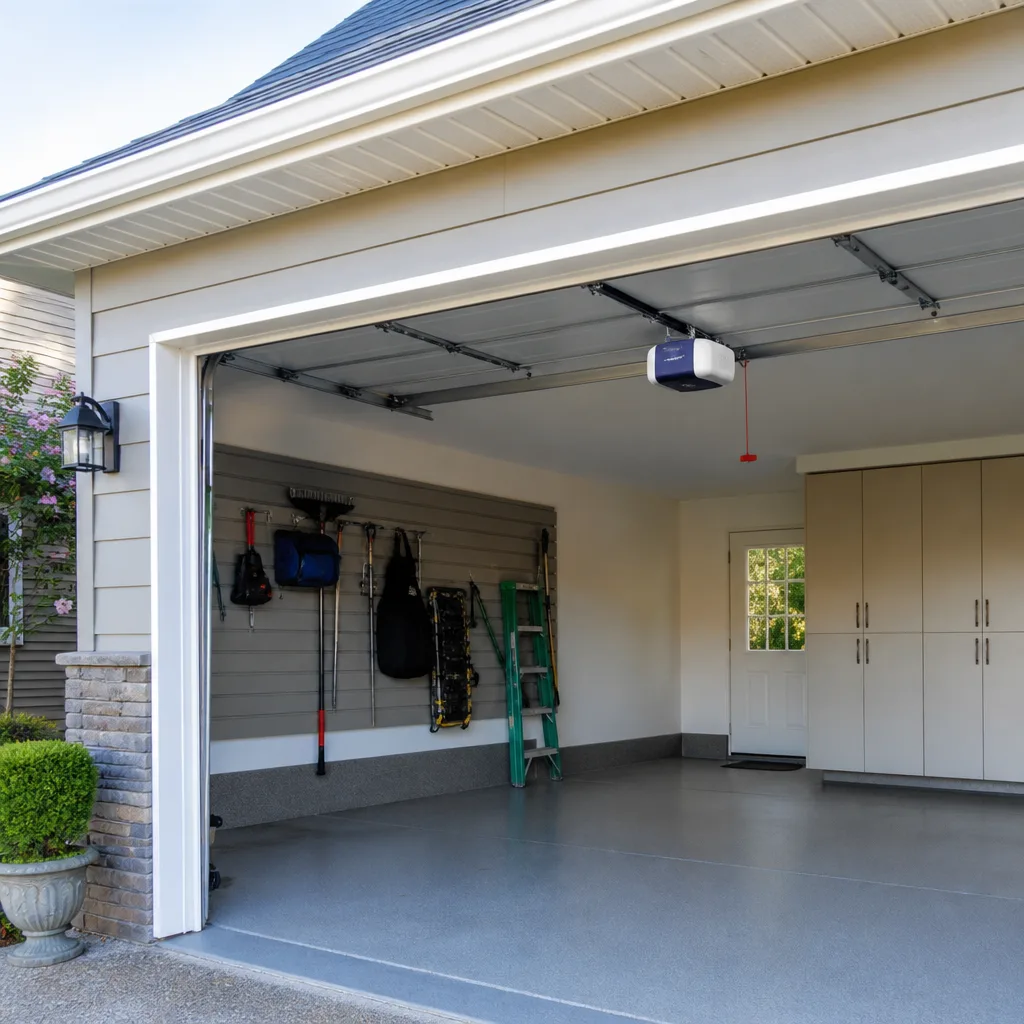 Chamberlain openers
Full 25-point door and opener safety check with every visit - springs, cables, rollers, tracks, and your LiftMaster or Chamberlain opener included
You get a price before we start. It does not change when the truck arrives.
Get your free estimateGarage Door Warning Signs: A San Bernardino Homeowner’s Reference Guide
A garage door that takes two seconds longer to open than it did last month isn’t just an annoyance. It’s the opener drawing more current to compensate for increased mechanical resistance, which is exactly what happens when a bearing plate is failing or a cable is starting to fray. Most garage door failures give clear mechanical warnings days or weeks before they become emergencies. This reference guide teaches San Bernardino homeowners to read those signals by sound, movement, and visual inspection, with a severity tier so you know what to watch versus what to call about today. For more guides & resources, see our blog.
Styles & brands we work with
Quick Answer
The most common garage door warning signs in San Bernardino are grinding or popping sounds during operation, a door that drifts down when released from the opener, uneven gaps between panels, frayed cables near the bottom roller brackets, and rust forming at the spring coils. Any of these signals indicates a component under stress. Some issues can wait a week; others need professional attention the same day.
Table of Contents
- Sound-Based Warning Signs: What Your Door Is Telling You
- Movement-Based Warning Signs: Reading Your Door’s Behavior
- Visual Warning Signs You Can Check From the Floor
- The Severity Tier System: Monitor, Schedule, or Stop Now
- How San Bernardino’s Climate Accelerates Garage Door Wear
- Brand-Specific Notes: What We See on Genie, Clopay, Amarr, and Wayne Dalton Doors
- How to Perform a Basic Balance Test Safely
- Common Mistakes to Avoid
- When to Call a Professional
- Frequently Asked Questions
- The Bottom Line
Sound-Based Warning Signs: What Your Door Is Telling You
Garage doors are mechanical systems, and every mechanical system communicates through sound. The trick is knowing which sounds are normal and which ones indicate a component under stress. In our experience working on doors across San Bernardino, we’ve found that homeowners often dismiss early warning sounds as “the door getting older” when in fact they’re hearing a specific component asking for attention.
Grinding
Grinding is the sound of metal dragging against metal where it shouldn’t. In most cases, it points to one of three issues: roller bearings that have lost their internal lubrication, a chain or belt that has drifted out of alignment, or a torsion spring that has started to bind against the center bearing plate. Genie openers, for example, use a rail system where the carriage rides on a screw or belt drive. When the carriage rollers wear, the grinding sound becomes intermittent first, then constant. The problem compounds quickly because metal particles from the grinding component spread to other moving parts.
Popping
A popping sound during operation usually indicates a spring issue. Torsion springs under load will make a sharp popping sound when individual coils bind and release. This happens when spring lubrication has failed or when the spring has started to develop micro-fractures. Popping is not a sound to ignore. A spring that’s popping today can snap tomorrow, and a snapped spring releases a tremendous amount of stored energy. This is a genuine safety concern we flag every time we hear it described on a service call.
Squealing
Squealing points to friction at the hinge points, roller stems, or spring cones. On Clopay and Amarr doors, the hinges are often the culprit. They’re riveted to the door sections and will squeal when the rivets loosen or when the hinge pin has worn. Squealing is generally a lower-severity warning than grinding or popping, but it means the affected part is metal-on-metal and wearing faster than it should.
Banging
A banging sound that occurs when the door reaches the top or bottom of its travel usually means the travel limits on the opener are set incorrectly, causing the door to slam against the stops. Over time this hammers the panel joints, loosens hinges, and stresses the bottom bracket. It can also mean a worn gear inside a Chamberlain or LiftMaster opener, where the plastic drive gear has stripped a few teeth and is catching.
Movement-Based Warning Signs: Reading Your Door’s Behavior
Sound is one diagnostic channel. Movement is another, and in some ways it’s more reliable because it shows you what the door is actually doing under load. A door that opens smoothly and evenly is a healthy door. A door that hesitates, drifts, or opens unevenly is telling you something specific.
Door Drift During the Balance Test
Here’s the test: pull the emergency release cord to disconnect the door from the opener, then manually lift the door to the halfway point and let go. A properly balanced door will stay put or move very slowly. If it drifts down, the springs have lost tension. If it shoots upward, the springs are over-tensioned. Both conditions put extra strain on the opener and should be corrected. The springs are doing most of the work of lifting the door. When they’re off, the opener has to compensate, and that’s a fast path to opener failure.
Uneven Panel Gaps
Look at the horizontal seams between door sections when the door is closed. The gaps should be consistent from left to right. If one side is tight and the other is wider, the door is racking. Racking happens when one cable has stretched, one spring is weaker than the other, or a roller track has shifted. Wayne Dalton doors, especially the newer models with TorqueMaster spring systems, can develop uneven panel gaps when the internal spring on one side loses tension. This is a sign to schedule service soon because the uneven loading accelerates wear on every component.
Hesitation at Specific Travel Points
Watch the door as it travels. Does it hesitate, slow down, or jerk at a specific point along the track? That hesitation points to a track issue. Vertical tracks that are out of alignment, a bent track section, or a roller that’s binding in the track channel will all cause the door to slow at a particular point. The opener motor will often change pitch when this happens because it’s suddenly working against more resistance.
Visual Warning Signs You Can Check From the Floor
You don’t need a ladder to perform a meaningful inspection. From the floor, you can see the components that fail most often and spot developing problems before they become emergencies. Here’s what to check, in order of importance.
- Cables at the bottom roller brackets: Look at the cable where it attaches to the bottom roller bracket. Fraying here is the number-one visual warning sign we see on San Bernardino doors. A few broken strands means the cable is compromised and will eventually fail. When it fails, the door drops on that side, potentially causing injury or damage.
- Spring coil surface: Look at the torsion spring above the door. Surface rust is cosmetic and normal for a spring that’s several years old, especially in a non-climate-controlled garage. But if you see deep rust that has pitted the spring surface, or if the spring coils have an uneven gap, the spring is in the later stages of its life. Springs on most residential doors are rated for 10,000 cycles, which for a typical San Bernardino family is roughly 7-10 years of use.
- Roller wheels: Look at the rollers that ride in the tracks. If you can see cracks in the nylon wheel surface, or if a roller is visibly wobbling as the door moves, that roller needs replacement. Steel rollers with worn ball bearings will often show a visible wobble at the track level.
- Track fasteners and brackets: Check the vertical tracks on both sides. Loose fasteners allow the track to flex, which changes the door’s travel geometry and accelerates roller wear. Bolts that have backed out are easy to tighten, but if the bracket itself is loose, the track may need to be re-set.
- Bottom weather seal: Look at the rubber strip along the bottom edge of the door. In San Bernardino, the seal takes a beating from heat and UV. If the seal is cracked or missing sections, you’re getting dust, insects, and hot air coming under the door. It’s a cheap fix that most homeowners can do themselves.
The Severity Tier System: Monitor, Schedule, or Stop Now
Not every warning sign requires a service call today. Some things can wait. Some things genuinely can’t. Here’s how we categorize the warning signs in this guide, so you can make an informed decision instead of ignoring everything or panicking over nothing.
Tier 1: Stop Using the Door Now
- A snapped or visibly cracked spring
- Frayed cables with more than two broken strands visible
- A door that falls rapidly when released from the opener
- A door that won’t stay closed and forces itself open
- Any loud bang during operation that wasn’t there before
These are the conditions where continued use creates a real safety hazard. A door with a broken spring can drop under its own weight, and a door with failed cables can come off the track. If you’re seeing any of these, we recommend leaving the door in place and making a call. Garage Door Repair in San Bernardino is the service our customers use in exactly this situation.
Tier 2: Schedule Service Soon
- Consistent grinding or popping sounds
- Door drift of more than a few inches during a balance test
- Uneven panel gaps that are visible from across the garage
- Hesitation at a specific point in the door’s travel
- Deep rust on springs or visible roller wheel cracks
These conditions probably won’t fail today, but they’ll worsen with every cycle. Every day you use the door with an unresolved Tier 2 issue shortens the life of the opener motor, the springs, and the rollers. Scheduling a service call for next week is less expensive than an emergency call later.
Tier 3: Monitor
- Light surface rust on spring coils
- Occasional squeaking that comes and goes
- Minor cosmetic wear on the bottom seal
- A door that’s slightly louder than when it was new
These are normal aging signs. Write down the date you noticed them and check again in a month. If anything has changed for the worse, it moves to Tier 2.
How San Bernardino’s Climate Accelerates Garage Door Wear
Manufacturer spec sheets and spring cycle ratings are written for temperate climates. San Bernardino is not temperate. The combination of heat, UV, and dust changes how garage door components age, and it’s important to know what that means for your door specifically.
Heat is the first accelerant. Garage interiors in San Bernardino routinely exceed 110°F in the summer, and heat degrades lubrication. Grease in the spring coils thins out and runs. Oil in the roller bearings breaks down. The result is metal-on-metal contact that wouldn’t occur in a cooler climate until much later in the component’s life. That’s why we recommend checking your spring lubrication every spring and fall in San Bernardino, not every few years like the manufacturer manuals suggest.
UV exposure is the second accelerant. The sun beats on the exterior side of the door panel all afternoon, and over time, UV breaks down the paint and the top layer of the panel. Panels that look chalky or faded have lost their protective coating and are now absorbing heat more aggressively. The polymer rollers in the tracks also degrade faster under UV if any portion of the track is exposed to direct sun through a gap in the weather seal.
The third accelerant is dust. San Bernardino sits in a valley with fine, abrasive particulate matter that finds its way into every crevice. That dust embeds in the track channels and acts like sandpaper against the roller wheels. It also coats the opener rail and combines with the grease to form a grinding paste. Cleaning the tracks and rail once a year makes a measurable difference in roller and carriage lifespan.
Brand-Specific Notes: What We See on Genie, Clopay, Amarr, and Wayne Dalton Doors
Different brands have different failure patterns. We work on all eight of the most widely installed brands in North America, and over years of service calls in San Bernardino, we’ve learned which issues show up repeatedly on which doors. That knowledge helps us diagnose faster and helps homeowners understand what to expect from their particular door. If you have a different brand, visit the San Bernardino Garage Door Co home page to see the full list of brands we service.
Genie
Genie openers are solid machines, but they have two known quirks. The first is the carriage assembly on belt-drive models, which tends to wear the plastic shuttle that rides on the rail. You’ll hear a rhythmic clicking or feel a slight vibration through the opener body when this is happening. The second is the wall console, which uses a serial connection and occasionally loses communication with the opener, showing a blinking light instead of normal operation. Both are fixable, and we carry parts for both.
Clopay and Amarr
Clopay and Amarr are the two most common door brands we install in San Bernardino, and they share a similar construction approach: galvanized steel sections with internal steel bracing. The failure pattern we see on both is hinge fatigue, where the hinges connecting the panels develop play in the pivot points. The door will sag slightly in the middle and the panels will rub at the seams. It’s usually caught during a routine spring replacement when the door is already disassembled and the hinges are easy to access.
Wayne Dalton
Wayne Dalton doors are built differently from most other residential doors. Many of their models use an internal TorqueMaster spring system instead of the exposed torsion springs on top of the door. The problem is that the TorqueMaster spring and its internal components are much harder to inspect from the floor. The spring lives inside a tube, so you won’t see the typical warning signs of rust or coil gap. We recommend having a Wayne Dalton door with a TorqueMaster inspected by a technician at least annually because the usual visual warnings simply aren’t available to the homeowner. When it’s time to replace that internal spring, we’ll often discuss converting the door to a standard torsion spring system, which is easier to maintain and inspect.
How to Perform a Basic Balance Test Safely
The balance test is the single most useful diagnostic you can perform as a homeowner. It tells you how hard the springs are working and gives you a baseline to compare against over time. Here’s how to do it safely.
- Close the door completely. Start with the door in the fully closed position and the opener connected.
- Pull the emergency release cord. This is the red cord hanging from the opener rail. Pull it straight down to disconnect the door from the opener carriage.
- Lift the door manually to the halfway point. Most doors will lift with moderate effort. If the door is very heavy or won’t lift, the springs have failed or lost significant tension.
- Let go of the door. A balanced door will stay put or drift very slowly. A door that drops more than a few inches has weak springs.
- Repeat at three-quarter height. Lift the door to about three-quarters open and let go again. If the door holds, the springs are doing their job across the full range of travel.
- Reconnect the opener. When you’re done, pull the release cord again while pressing the opener button to re-engage the carriage, or simply run the opener once and it will reconnect automatically on most models.
Important: Do not attempt to adjust or replace springs yourself. Torsion springs are under enormous tension and can cause serious injury or death if mishandled. The balance test is a diagnostic tool only. If the test reveals a problem, call us at (855) 763-8905 and we’ll send a technician who works on springs every day. We also handle Garage Door Opener Repair in San Bernardino when the opener is the source of the problem.
Common Mistakes to Avoid
- Lubricating the wrong parts: Many homeowners spray WD-40 on the tracks and rollers, which actually makes things worse. WD-40 is a solvent, not a lubricant, and it strips whatever protective coating was there. Use a white lithium grease on metal parts and a silicone spray on nylon rollers. We also recommend spring lubrication in the fall, before the cool season, because the grease stays put in the coils better.
- Ignoring a sagging door: A door that visibly sags in the middle has structural fatigue in one or more panels. Ignoring it doesn’t save money; the panels will bend further and eventually require full section replacement instead of hinge replacement.
- Adjusting the opener’s force settings too high: When a door starts getting heavy because springs are wearing, homeowners sometimes turn the opener’s force dial up so it still lifts the door. This masks the underlying problem and has a secondary effect: the opener is now pushing with enough force to injure someone or damage property if the safety sensors are misaligned. The fix for a heavy door is replacing the springs, not cranking the force dial.
- Replacing one spring instead of both: When one torsion spring breaks, many homeowners ask us to replace only that spring. We technically can, but the other spring is the same age and has the same number of cycles on it. If one spring has failed, the other isn’t far behind. Replacing both springs at once is the more economical choice in the long run and gives you matched springs with identical tension.
- Continuing to use the door when the cables have slipped off the drum: When a cable slips off the drum, the door will often jam on one side and keep moving on the other. Continuing to use the door in this state can damage the track, bend the door panel, and twist the entire assembly out of alignment. Stop using the door and call us.
- Performing DIY spring replacement: We can’t say this strongly enough: garage door torsion springs are under enough tension to cause life-threatening injury. The economics of DIY don’t work here. A professional spring replacement in San Bernardino costs less than an emergency room copay, and the spring comes with a warranty. Our technicians carry the springs on the truck and finish the job in under two hours in most cases.
- Assuming the door’s age means it needs replacement: A garage door that’s 15 or 20 years old may still have years of life left if the panels are sound and the hardware is maintained. We’ve worked on doors in San Bernardino that predate the opener’s first replacement and are still going strong. Conversely, a 5-year-old door that’s been neglected can be in worse shape than a well-maintained 20-year-old door. The right question is not “how old is my door?” but “what condition is my door actually in?”
When to Call a Professional
Here’s the honest answer: if you’re reading this guide and recognizing three or more of the warning signs in your own door, it’s time for a professional inspection. The specific moments where you should absolutely not delay are a snapped spring, a frayed cable, a door that drifts substantially during the balance test, or any sound that resembles metal breaking. These are the emergencies. Everything else can be caught during a maintenance visit and fixed before it becomes an emergency, which is always the less expensive path. Garage Door Installation in San Bernardino is also available if your door has reached the end of its useful life and replacement makes more sense than continued repair. San Bernardino Garage Door Co offers free estimates in San Bernardino, and our technicians carry most common spring sizes and roller types on the truck, so many repairs can be quoted and completed on the same visit. Call (855) 763-8905 during business hours and we’ll talk through what you’re seeing and hearing, answer your questions honestly, and set up a visit if you want one. The price is quoted and agreed before any work starts, and you’ll know exactly what the fix will cost before we pick up a wrench.
Frequently Asked Questions
Repair costs in San Bernardino typically range from $120 to $350 for most component replacements like rollers, cables, and hinges, while spring replacement runs $200 to $450 depending on spring size and door weight. Full opener replacement starts around $400 and goes up depending on the model and features. The most common repair we perform, single spring replacement, falls in the $225 to $300 range for most residential doors. Call (855) 763-8905 for an exact quote on your specific door; estimates are free and the price is quoted before work starts.
We can often accommodate same-day or next-day service for urgent safety issues like a door that won’t close or a snapped spring, depending on call volume and our technician’s schedule. Call (855) 763-8905 as early in the day as possible and let us know what’s happening; we’ll give you a realistic arrival window.
The price we quote over the phone is based on your description of the problem and your door’s brand and model. When we arrive, if the technician finds additional issues beyond what was quoted, you’ll be told about them before any additional work is done. The quote is never changed without your explicit approval. We don’t do bait-and-switch pricing, and we don’t start work until you’ve agreed to the number.
Our trucks are stocked with the most common spring sizes, roller types, cable lengths, hinges, and opener parts for the brands we service. In most cases, a standard repair is completed in one visit because the parts are already on the truck. If your door needs something out of the ordinary, we’ll let you know before scheduling the repair visit.
Given the heat and dust conditions in San Bernardino, we recommend a professional inspection once a year for doors more than five years old, and twice a year if the door sees heavy daily use. A professional inspection catches the same issues this guide teaches you to look for, but with the added benefit of a technician who can measure spring tension, inspect internal components you can’t see from the floor, and lubricate the right parts with the right products. The inspection also creates a service record, which helps if you ever need to make a warranty claim on a door or opener.
The simplest answer is repair is usually cheaper and the right choice when the structural panels are sound and the hardware is repairable. Replacement makes sense when the panels are dented, rusted through, or structurally fatigued, or when the cost of repeated repairs over a two-year period exceeds half the cost of a new door. During a service call, we’ll give you an honest assessment of the door’s condition and a straightforward comparison of repair versus replacement costs for your specific situation. We install Clopay, Amarr, and Wayne Dalton doors, and we’ll help you choose a replacement that fits your budget and your home’s look. Our Choosing the Right Garage Door Brand: A Buyer’s Guide for San Bernardino breaks down the differences between major brands.
The Bottom Line
Your garage door is the largest moving object in your home, and it communicates its condition constantly through sound, movement, and visual cues. The homeowners who catch problems early are the ones who pay $200 for a spring replacement instead of $600 for an emergency repair and a bent track. The ones who ignore the signals are the ones who come home to a door that won’t open. Learn the sounds. Run the balance test twice a year. Check the cables and springs with a casual visual scan once a month. When something makes you unsure, call (855) 763-8905 and describe what you’re seeing and hearing. We’ll tell you honestly whether it can wait or whether it needs attention now. Garage doors are all we do. We work on the brand you already have.
Written by the team at San Bernardino Garage Door Co, serving San Bernardino since 2016.
See the difference
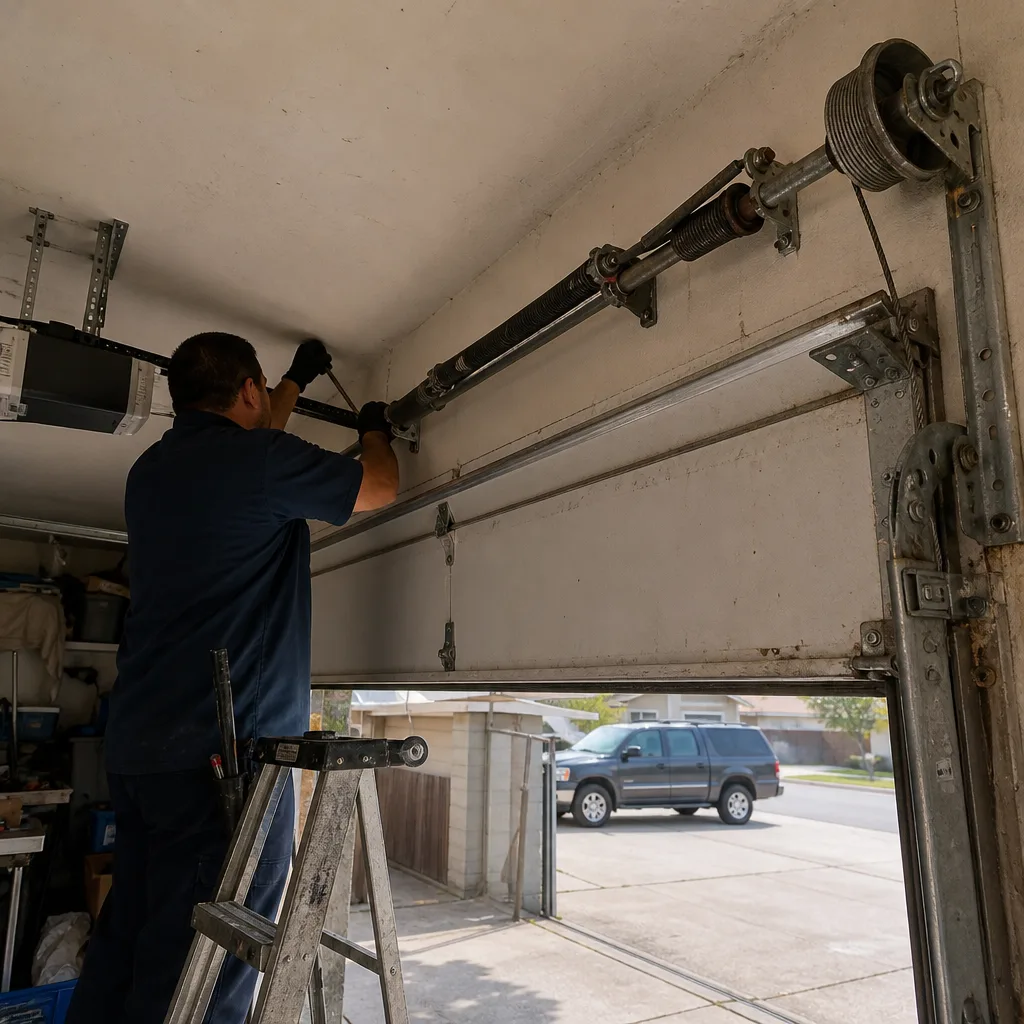 Before
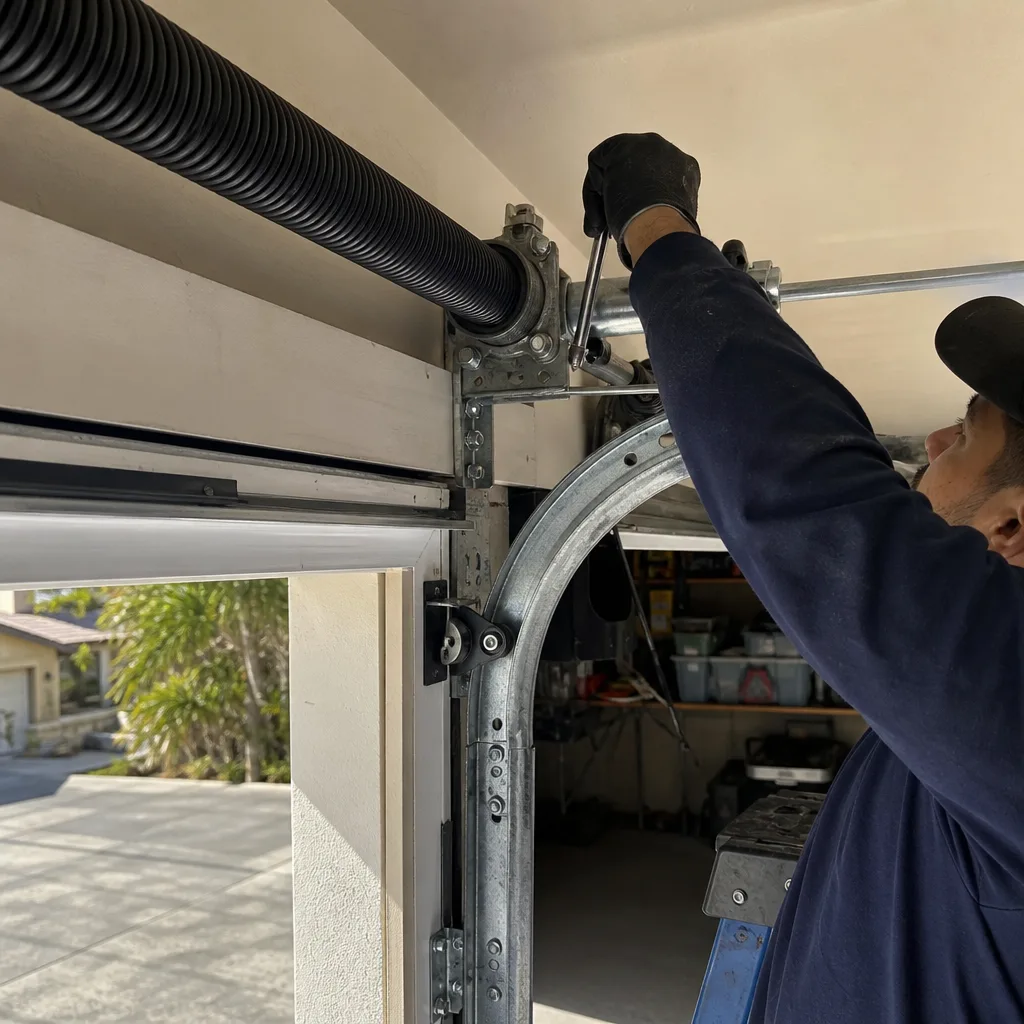 After
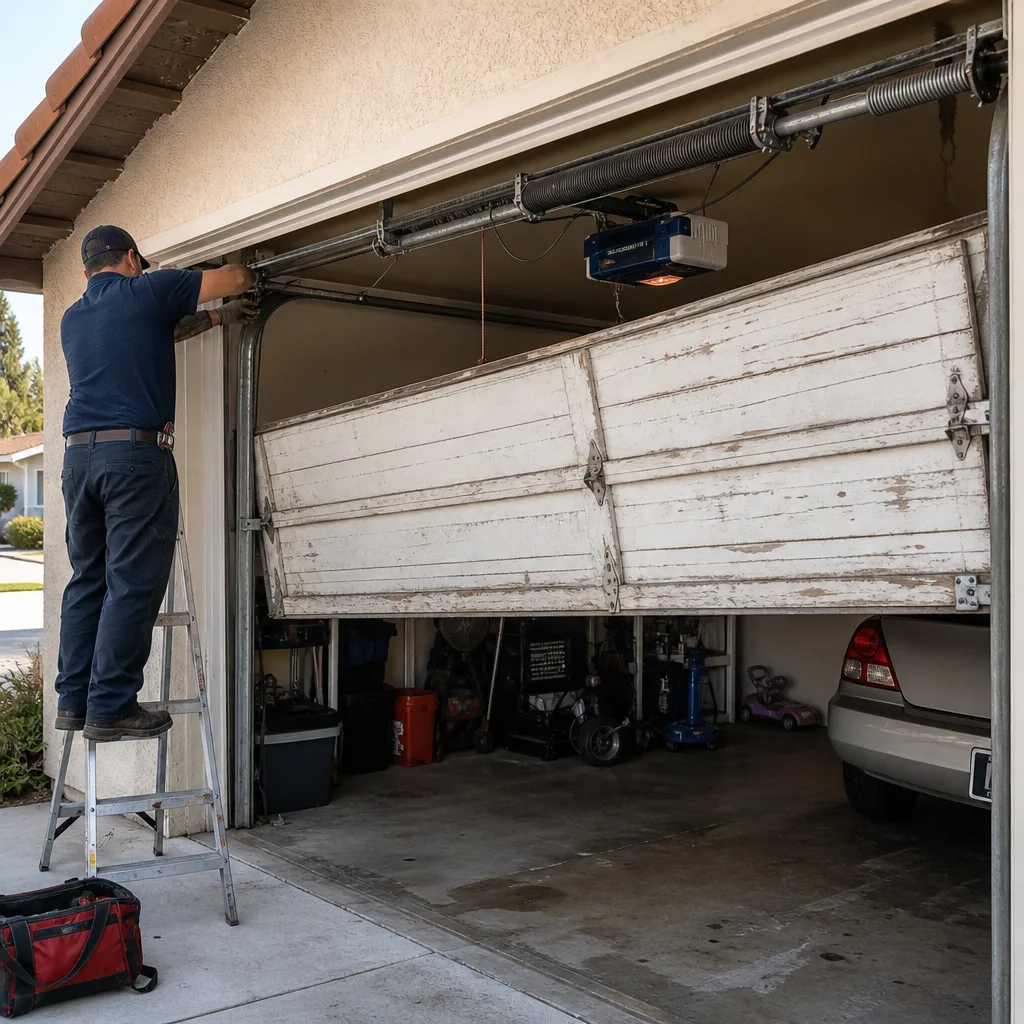 Before
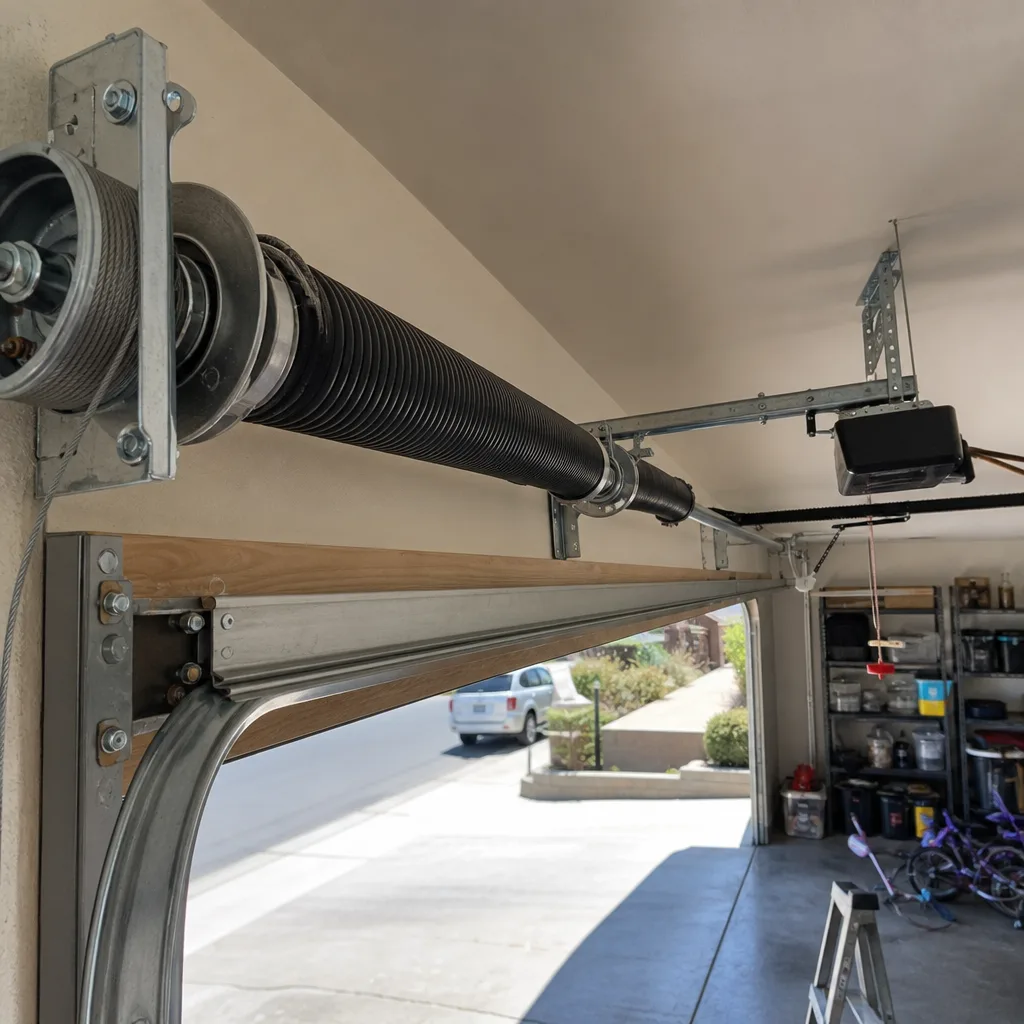 After
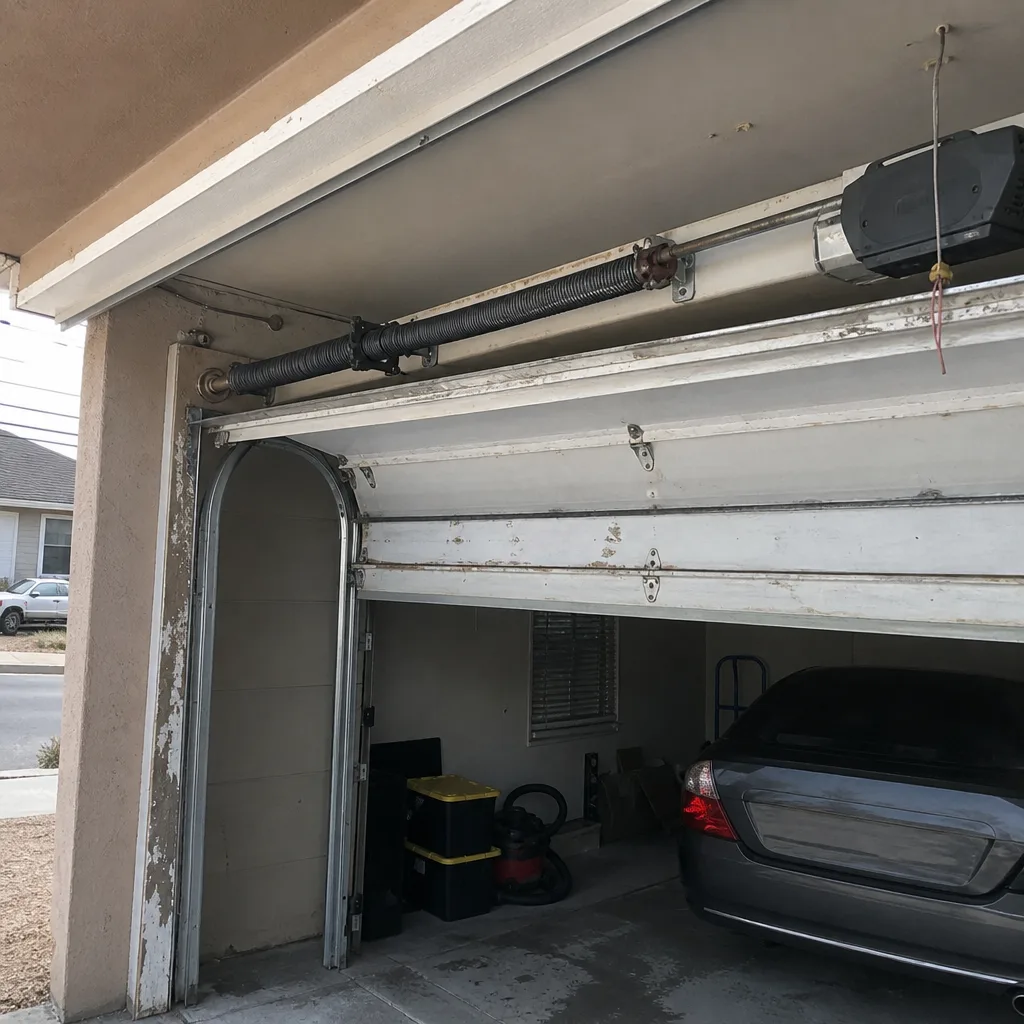 Before
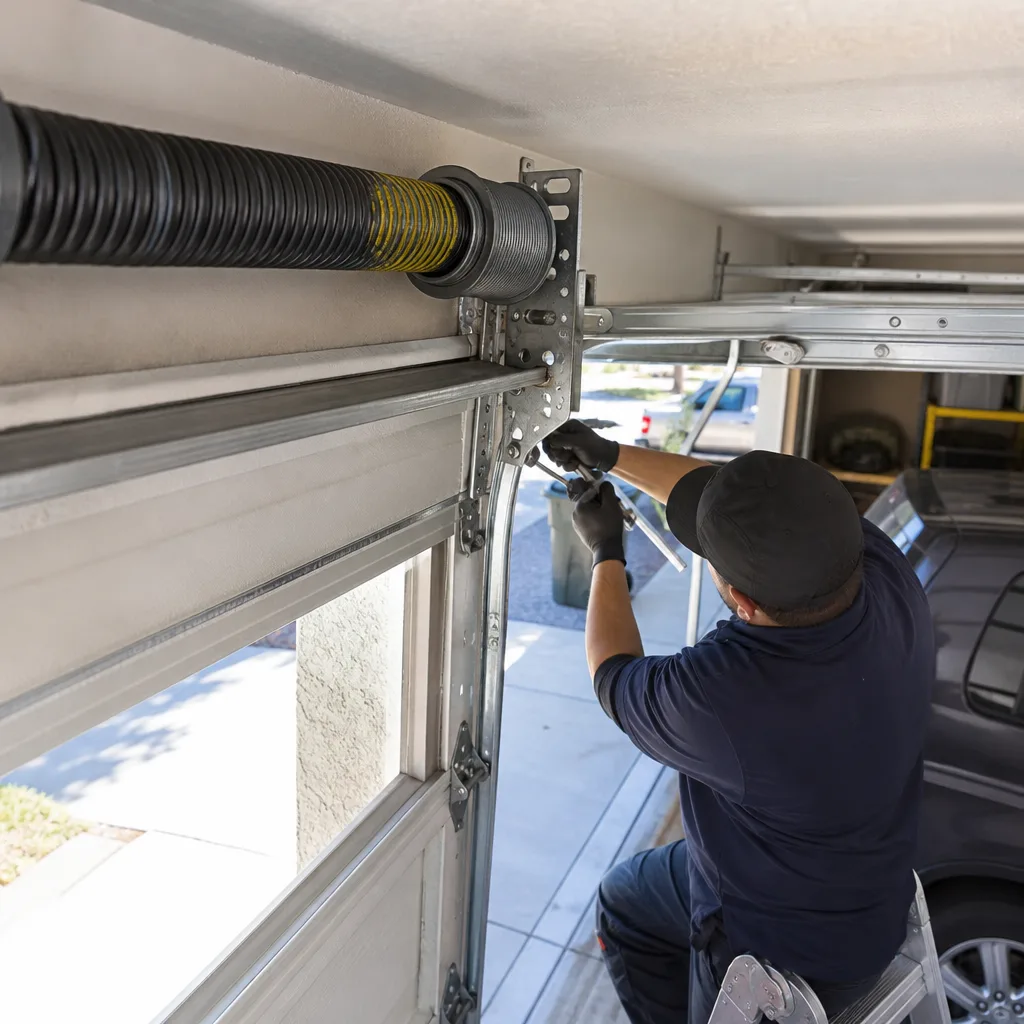 After