Last updated October 30, 2026
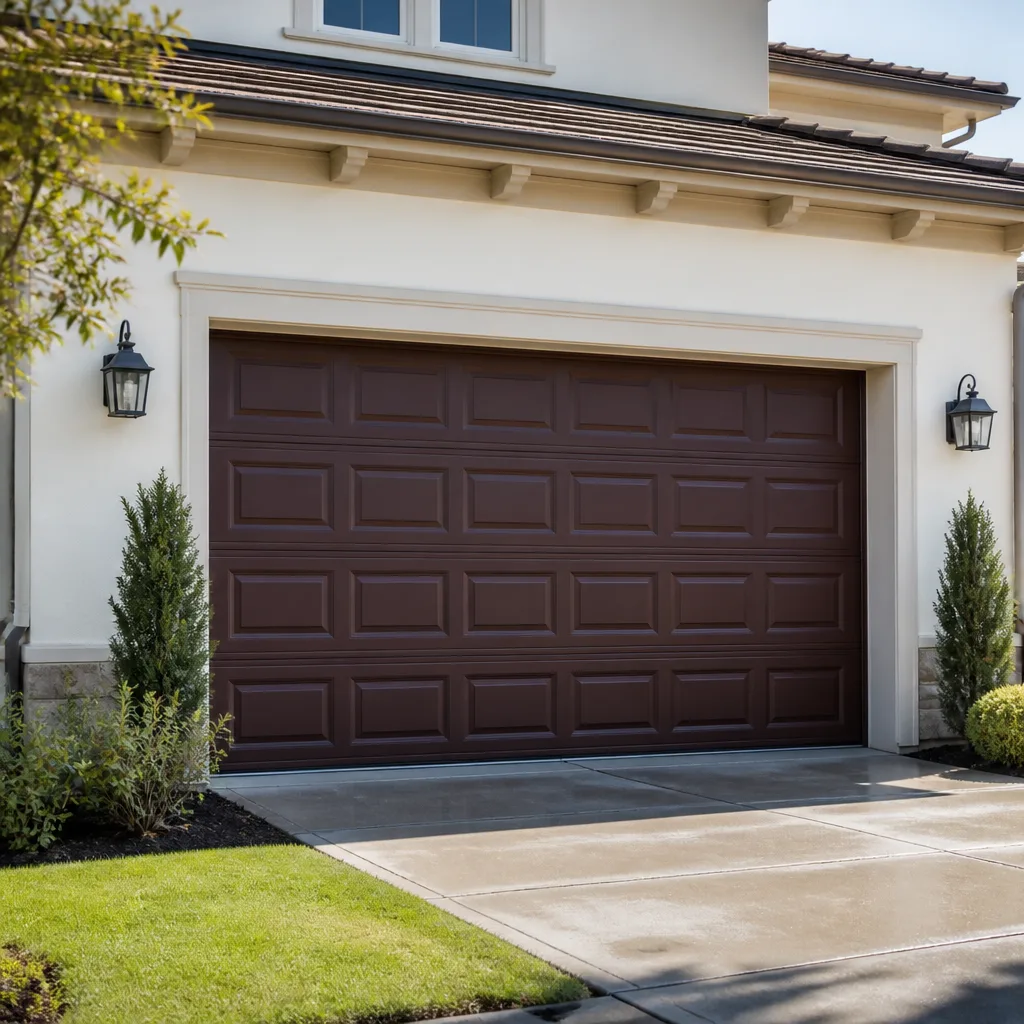 Raised-panel steel
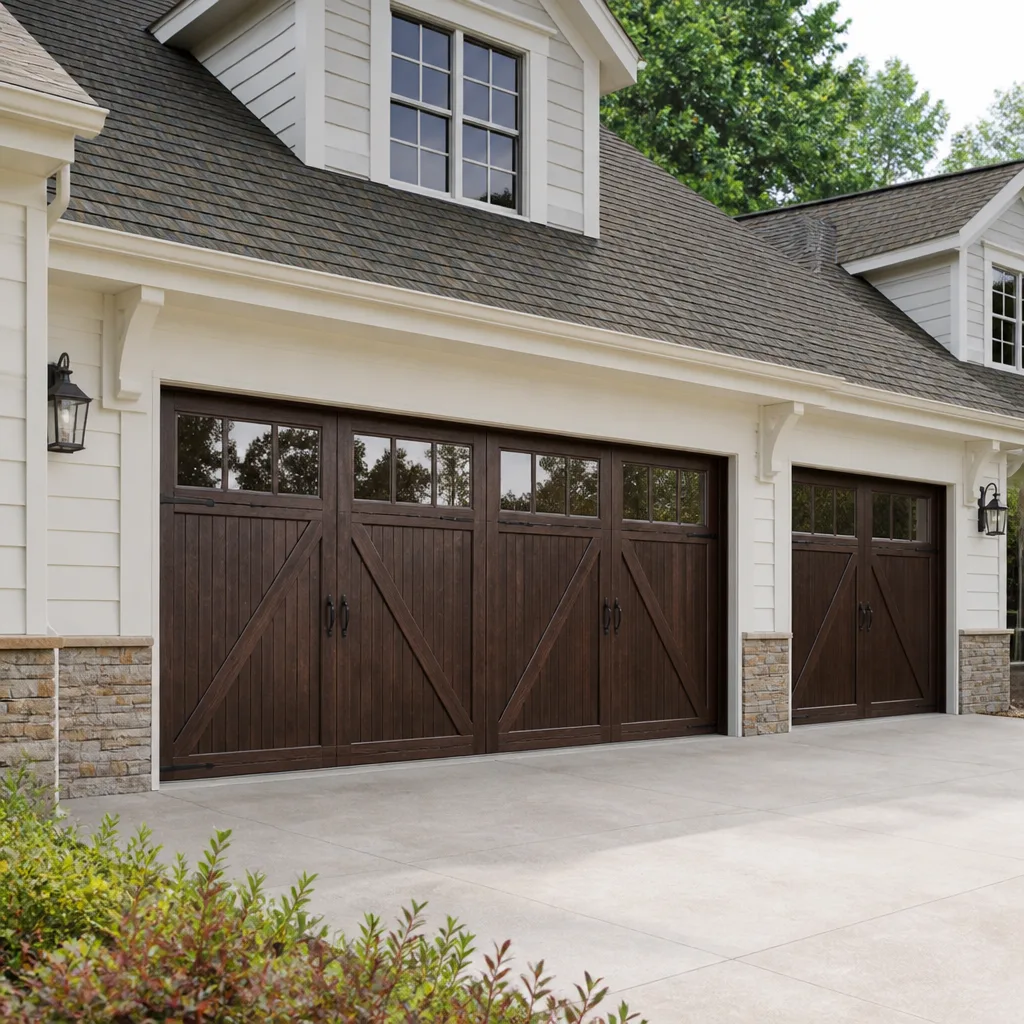 Carriage house
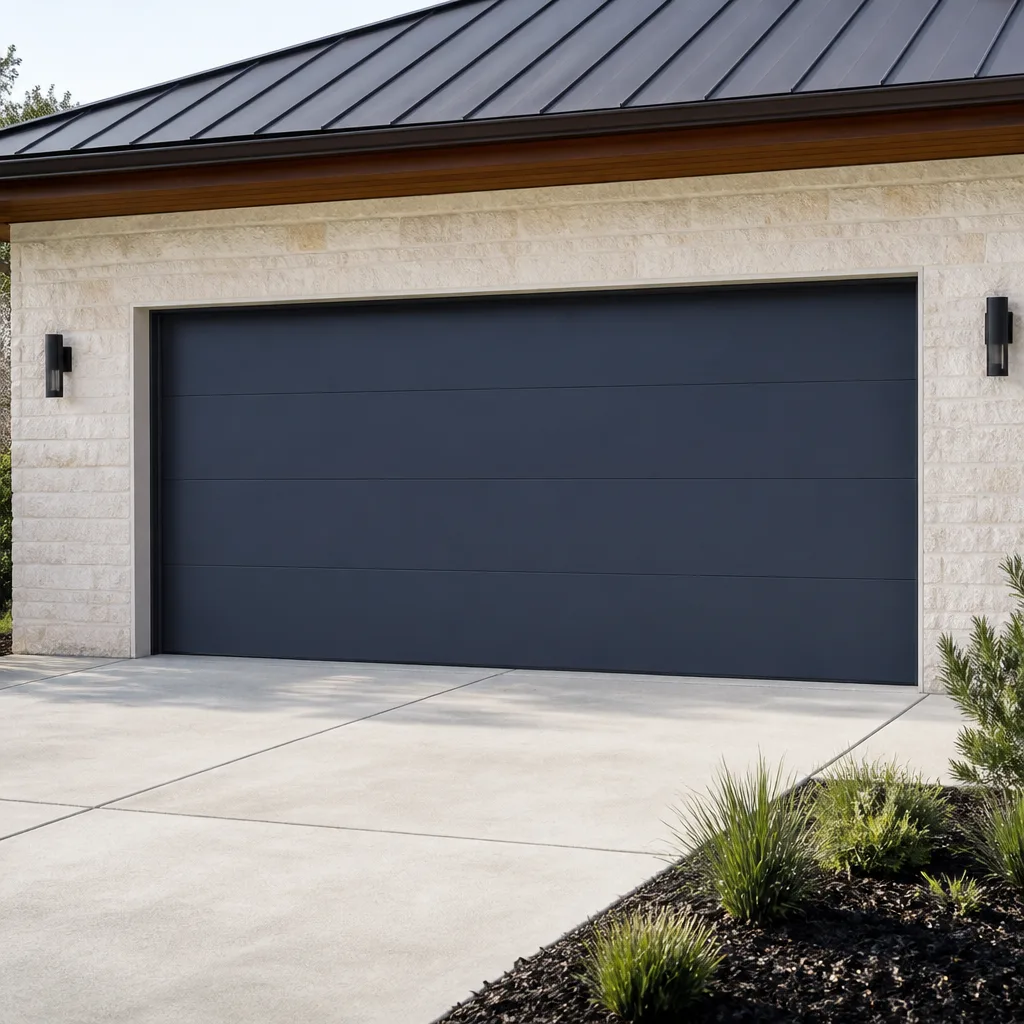 Modern flush
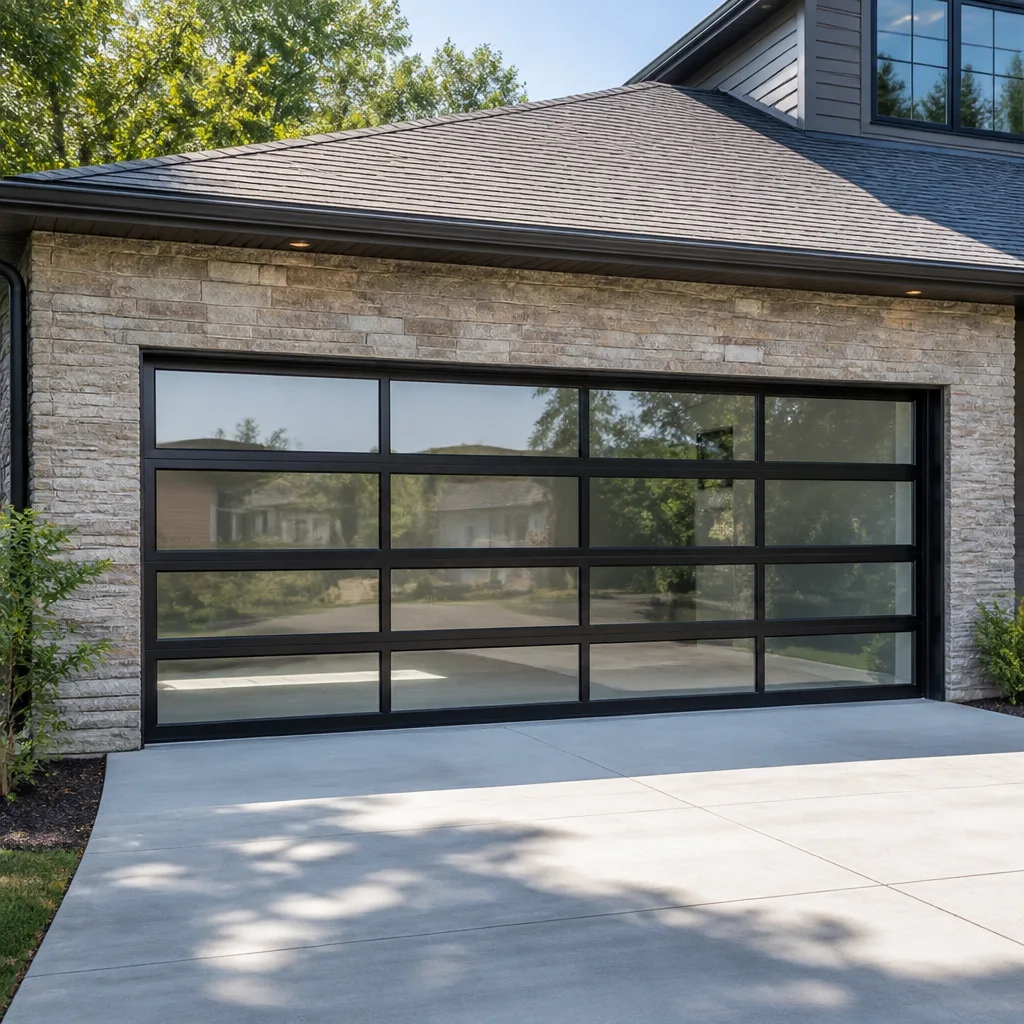 Full-view glass
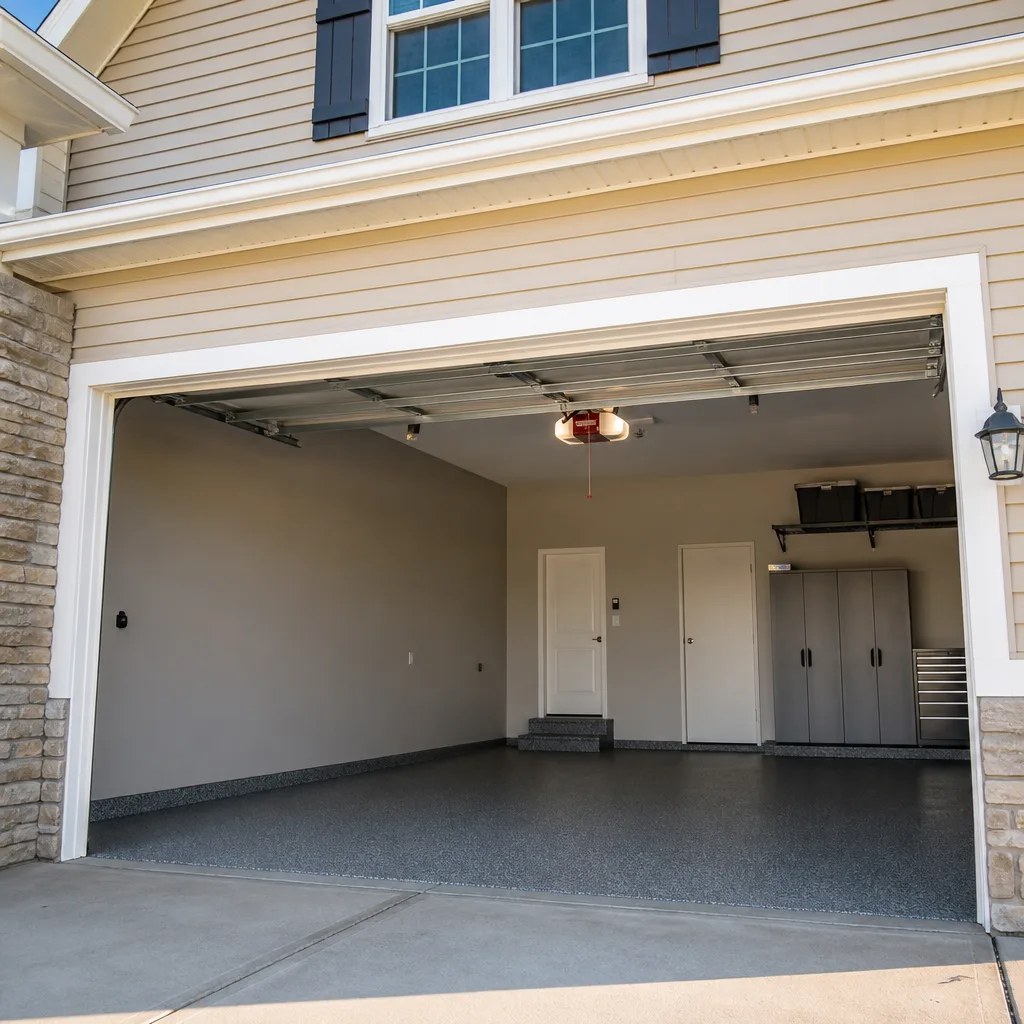 LiftMaster openers
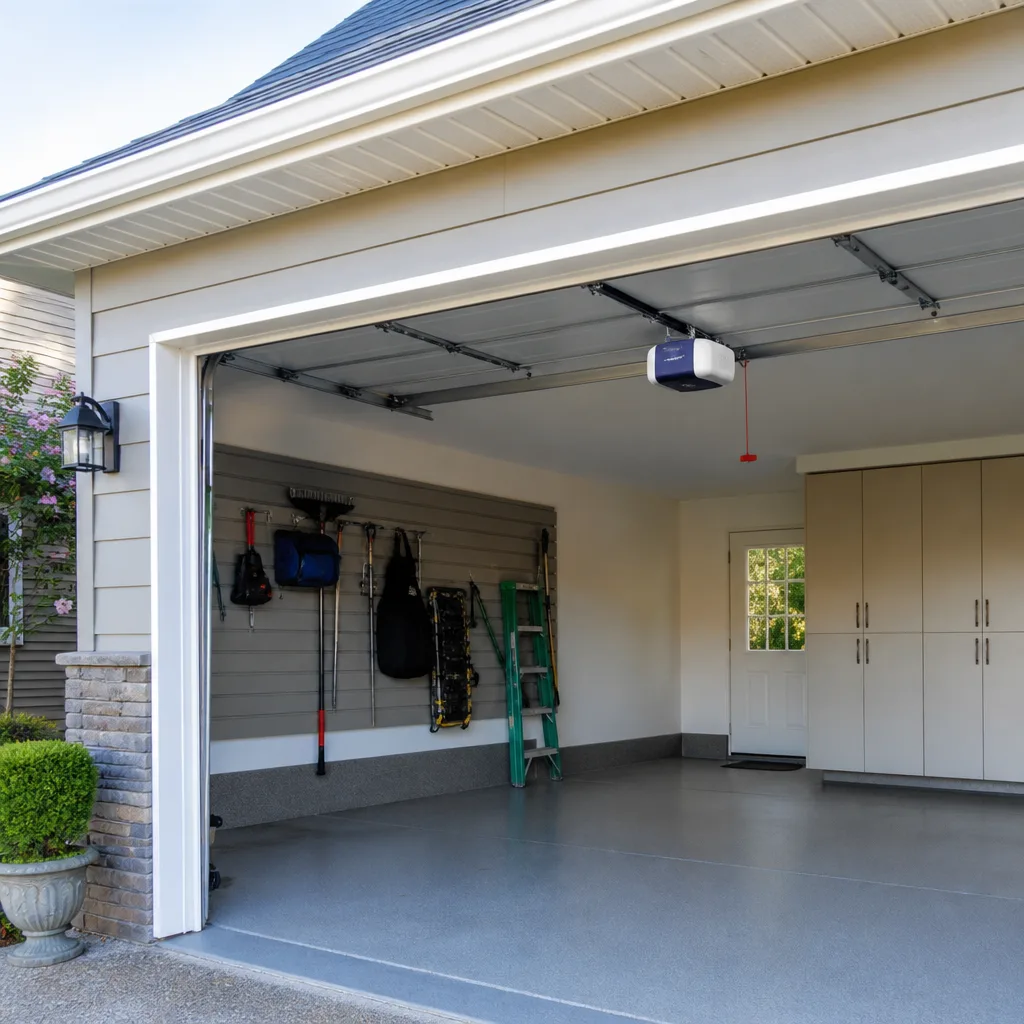 Chamberlain openers
Full 25-point door and opener safety check with every visit - springs, cables, rollers, tracks, and your LiftMaster or Chamberlain opener included
You get a price before we start. It does not change when the truck arrives.
Get your free estimateChoosing the Right Garage Door Brand: A Buyer’s Guide for San Bernardino
Here’s a fact most garage door buyers never hear: the brand name stamped on a door panel tells you less about real-world performance than the distribution network behind it. Ask any technician in San Bernardino which door gives the fewest headaches, and you’ll get a list shaped by parts availability, not marketing brochures. A door with a great warranty means nothing if the replacement panel takes three weeks to arrive from a warehouse two states away. This guide—along with The Complete Guide to Garage Door in San Bernardino—cuts through the branding to focus on what actually matters when you’re choosing a door for a home in the Inland Empire: panel construction, local parts access, finish durability under intense UV, and the right tier of door for how you actually use your garage. We work on every major brand sold in San Bernardino, and we’ll tell you what we see when we open up doors that have been living here for ten or fifteen years.
Styles & brands we work with
Quick Answer
The best garage door brand for most San Bernardino homeowners is whichever steel-insulated door from Clopay, Amarr, or Wayne Dalton matches their budget, paired with a LiftMaster or Chamberlain opener. What matters more than the brand badge is panel gauge, insulation R-value, and whether your installer can source replacement parts locally in the Inland Empire. We recommend 25-gauge or thicker steel panels with a minimum R-9 insulation value for primary residences, and we specifically favor brands with distributor warehouses near San Bernardino so a broken spring or damaged panel doesn’t leave your garage open for a week.
Table of Contents
- The Brand Loyalty Myth: Why National Rankings Mislead Inland Empire Buyers
- Head-to-Head: Clopay, Amarr, Wayne Dalton, and CHI on the Specs That Matter Here
- Parts and Service Reality Check: Which Brands Actually Ship Fast to San Bernardino
- Why Single-Brand Dealer Recommendations Are Structurally Biased
- Steel vs. Fiberglass vs. Wood Composite: What Survives San Bernardino UV
- Matching Brand Tier to Home Value and Use Case: Rental, Primary Residence, Workshop
- The Opener Question Most Brand Guides Ignore
- Common Mistakes to Avoid
- When to Call a Professional
- Frequently Asked Questions
- The Bottom Line
The Brand Loyalty Myth: Why National Rankings Mislead Inland Empire Buyers
National garage door reviews rank brands on criteria that barely apply to life in San Bernardino. You’ll see humidity resistance weighted heavily, corrosion testing from coastal climates, and insulation comparisons built around Minnesota winters. None of that tells you how a door will hold up at the base of the San Bernardino Mountains, where summer temperatures routinely push past 100 degrees and the UV index hits levels that bake paint off cheaper panels in five or six seasons.
What we see in San Bernardino garages is consistent: doors with factory-applied, UV-stabilized powder coat finishes fade far more slowly than doors with wet-paint finishes. Steel panels with polyurethane insulation injected between the skins hold their shape through temperature swings far better than hollow or polystyrene-filled panels. And doors with thicker steel gauge, 25 or 24, resist denting when a basketball, bicycle handlebar, or trash can slams into them. These are the variables that determine whether your door still looks right and opens true after a decade in this climate. The brand name matters only insofar as it tells you who built the panel and who stands behind the finish warranty.
Brand loyalty in residential garage doors is largely an artifact of installer relationships. Most homeowners buy whatever brand their contractor happens to carry. When that contractor is a single-brand dealer, the “recommendation” is structural, not evaluative. We carry and service Clopay, Amarr, Wayne Dalton, and CHI because all four have meaningful distribution footprints in the Inland Empire, and each has specific strengths at different price points. That cross-brand position changes how we advise because we have no incentive to steer you toward a door that doesn’t fit your house, your budget, or your street.
Head-to-Head: Clopay, Amarr, Wayne Dalton, and CHI on the Specs That Matter Here
When we evaluate a garage door for a San Bernardino home, we look at four specifications before we look at the price tag: steel gauge, insulation type and R-value, finish warranty length, and hardware quality. Here’s how the four brands we install most often stack up on those metrics, based on what we’ve installed and repaired across the city; for deeper detail, see The Complete Garage Door Repair Guide for San Bernardino Homeowners.
Clopay
- Panel gauge: Entry-level doors use 27-gauge steel. Mid-tier Gallery and premium Reserve lines use 25 or 24-gauge. The difference is immediately obvious when you press your palm against a panel: thicker gauges don’t oil-can.
- Insulation: Polystyrene on entry doors, polyurethane injection on Gallery and above. Polyurethane delivers R-values from R-9 to R-18 depending on panel thickness, and it bonds the steel skins together, which stiffens the entire door.
- Finish: Factory powder coat with a strong UV-stable formulation on mid and premium lines. Clopay’s finish warranty runs longer than most competitors at the same price point.
- What we’ve seen in San Bernardino: Clopay doors from the early 2010s in the North Park and Arrowhead neighborhoods still look presentable if they were mid-tier or higher. Entry-level Clopay fades noticeably after about five to seven years in full western exposure.
Amarr
- Panel gauge: Consistent 25-gauge steel across the Lincoln and Heritage lines, with 24-gauge on the Classica carriage-house series. Amarr doesn’t chase the bottom of the market the way some brands do.
- Insulation: Polystyrene on Lincoln, polyurethane on Heritage and Classica. R-values run R-6 to R-14. Amarr’s polyurethane injection process leaves fewer voids than some competitors we’ve cut into.
- Finish: Heavy powder coat with a long residential finish warranty. Amarr doors tend to resist chalking better than most in the San Bernardino sun.
- What we’ve seen in San Bernardino: Amarr panels hold their color well on homes in the Verdemont and Del Rosa areas where afternoon sun is punishing. The tradeoff is price: Amarr runs 10 to 15 percent above comparable Clopay at the mid-tier.
Wayne Dalton
- Panel gauge: Varies widely by line. The 8000-series uses 27-gauge, while the 9700-series steps up to 25-gauge. Wayne Dalton’s TorqueMaster spring system inside the tube is unique in the industry and worth understanding before you buy.
- Insulation: Polystyrene on budget lines, polyurethane on the 9000-series. R-values from R-6.3 to R-12.
- Finish: Powder coat with a solid, if shorter, warranty than Amarr or premium Clopay. No glaring fade issues in our experience.
- What we’ve seen in San Bernardino: TorqueMaster springs are quieter than exposed torsion springs, but they’re also harder to service. Fewer technicians in the Inland Empire are comfortable replacing them, which means repair calls can take longer and cost more. We service them regularly, but we mention this to every customer considering a Wayne Dalton door: the door itself is fine, the spring system is a service consideration.
CHI
- Panel gauge: 24-gauge steel standard on most lines. CHI builds a heavier door than the price suggests, which is why we see so many of them on rentals and light commercial properties in San Bernardino.
- Insulation: Polyurethane injection standard on most overhead door lines, with R-values from R-9 to R-17. Strong insulation-per-dollar ratio.
- Finish: Factory powder coat with a solid warranty. CHI’s color options are fewer than Clopay’s or Amarr’s, but the finishes we’ve seen hold up fine.
- What we’ve seen in San Bernardino: CHI doors are the workhorses of San Bernardino’s rental market. They’re not the prettiest, but they take abuse and keep tracking straight. Parts availability through Inland Empire distributors is good.
Here’s the pricing reality for a standard 16×7 double garage door, installed, in the San Bernardino market as of this writing. These are ranges based on our installation volume across the city:
- Entry-level steel, polystyrene insulated: $1,100 to $1,600
- Mid-tier steel, polyurethane insulated, 25-gauge: $1,600 to $2,400
- Premium steel, polyurethane, 24-gauge, nicer finish options: $2,400 to $3,500
- Carriage-house or designer steel with overlays: $3,500 to $5,500
- Full-view aluminum or custom wood composite: $5,000 and up
These ranges assume standard lift hardware and no structural modifications to the opening. If your existing door is a non-standard size, or if the old track and springs are being replaced, the number shifts accordingly.
Parts and Service Reality Check: Which Brands Actually Ship Fast to San Bernardino
A garage door is a collection of parts that will fail at different times. The door itself might last 20 years. The torsion springs will likely need replacing in 7 to 12 years depending on cycle count. Rollers wear out. Cables fray. Hinges crack. When something fails, the speed of the repair depends almost entirely on whether the replacement part sits on a shelf in your technician’s truck or in a regional distributor’s warehouse within driving distance of San Bernardino.
Here’s what we know from running service calls across San Bernardino, Rialto, Colton, Highland, and the surrounding Inland Empire every week:
- Clopay parts are the easiest to source quickly. Multiple Inland Empire distributors stock Clopay panels, springs, cables, and hardware. We can get most repair parts same-day or next-morning without anyone paying expedited freight.
- Amarr parts are similarly accessible. The brand’s distribution network covers Southern California well, and common repair components are generally in stock regionally.
- Wayne Dalton parts are available but more specialized. The TorqueMaster spring system means fewer third-party parts exist. You’re locked into brand-specific components, which can add a day or two to a repair if the local distributor doesn’t have the exact part on hand.
- CHI parts are readily available. The brand has solid distribution through building-supply channels in the Inland Empire, and because CHI uses fairly standard hardware, substitution is often possible when urgency demands it.
- Generic and off-brand doors are the wildcard. If your home has a door brand nobody in the area services, every repair becomes a wait-and-see exercise. We’ve ordered obscure panels from out of state for homeowners who were quoted three-week lead times by other shops.
The practical takeaway for anyone in San Bernardino: before you pick a brand, ask your installer where they source parts for it. If the answer is a local distributor they use regularly, repairs stay fast. If the answer is “the manufacturer” and the manufacturer is in Ohio or Texas, you’ll wait. This matters more for repairs than for initial installation, because a door that installs fine on day one still has springs that will eventually need replacing.
This is also why opener brand matters more than most buyers realize. Chamberlain and Genie, with their LiftMaster and Genie-branded openers, dominate the San Bernardino opener market because their parts, remotes, keypads, and circuit boards are stocked everywhere. We keep a deep inventory of opener components in our trucks specifically because we run opener repair calls every single day, and we covered the full scope of that service on our Garage Door Opener Repair in San Bernardino page.
Why Single-Brand Dealer Recommendations Are Structurally Biased
When a contractor is authorized to sell only one brand, every home gets the same answer. It’s not that the brand is wrong. It’s that the recommendation wasn’t a recommendation at all. It was a sales outcome predetermined by the dealership agreement.
Here’s how the bias shows up in practice. A single-brand Clopay dealer will compare Clopay’s best doors against Amarr’s mid-tier and conclude Clopay wins. A Wayne Dalton dealer will pitch TorqueMaster as the superior spring system without mentioning that fewer service companies in the Inland Empire are equipped to work on it. The comparison is never apples to apples because the dealer’s business model depends on the outcome.
This matters in San Bernardino because housing here ranges from 1920s bungalows south of Highland Avenue to brand-new construction in the foothills above Cal State. A rental property near the university needs a fundamentally different door than a custom home in University Hills. A single-brand dealer can only offer you variations on one theme. A company that installs Garage Door Installation in San Bernardino across Clopay, Amarr, Wayne Dalton, and CHI can actually answer the question of which door fits your specific house, your specific budget, and your specific sun exposure. We get no benefit from selling you one brand over another, so we’re free to tell you when the cheaper door is the right call or when you should spend more up front to avoid repainting in six years.
The way to test any contractor’s brand advice is simple: ask them to compare the brand they sell against two competitors on a specific metric, like finish warranty or panel gauge. If they can’t, you’re talking to a salesperson, not a technician. A real technician can tell you the difference between a Clopay Gallery and an Amarr Heritage because they’ve had their hands on both. We work on the brand you already have, and on the brand you’re considering buying. That hands-on range is what lets us give straight answers on this guide’s core question, and on whether DIY or professional repair makes sense for your situation.
Steel vs. Fiberglass vs. Wood Composite: What Survives San Bernardino UV
San Bernardino averages over 280 days of sunshine a year. Summer UV index readings regularly hit 10 or 11, which the EPA classifies as extreme. Every garage door finish in this city is in a slow race against the sun, and the material you choose determines how you run that race.
Steel
Galvanized steel with a factory powder-coat finish is the default choice in San Bernardino for good reason. It holds its shape through our 40 to 50 degree daily temperature swings without warping, and modern powder coat resists UV chalking far better than the wet-paint finishes of the 1990s. Expect 8 to 15 years before the finish shows meaningful fading on a mid-tier or premium steel door with western exposure. Entry-level steel doors with thinner paint will fade faster, and the panels themselves will start to look tired around year six or seven. Maintenance is minimal: wash the door with mild soap twice a year and inspect the bottom weather seal annually. Steel doesn’t need refinishing the way wood does.
Fiberglass
Fiberglass doors are rare in San Bernardino, and that rarity is informative. The material handles UV better than steel in terms of color retention, but fiberglass panels are more brittle in our temperature swings, especially on colder winter mornings at higher elevations near the mountain communities. When fiberglass panels crack, they crack through the entire laminate, and replacement panels are not stocked by most Inland Empire distributors because the demand isn’t there. If you’re buying a fiberglass door, clarify your parts-sourcing situation before you commit. We rarely recommend fiberglass for San Bernardino garages because steel does everything the local market asks with better parts support.
Wood and Wood Composite
Solid wood doors are stunning and rare, and there’s a reason for both. San Bernardino’s UV and low humidity punish wood finishes relentlessly, especially on doors with southern or western exposure. A painted wood door in this market needs refinishing every two to three years to stay presentable. Stained wood doors need a fresh coat of marine-grade spar varnish every three to four years at minimum, and the work is labor-intensive. Wood composite doors, which use a steel or engineered-wood core with a veneer or overlay, split the difference: they deliver the look without the full maintenance burden, but they still require more upkeep than steel. Expect to budget $400 to $800 per refinishing cycle for a double wood door, more if you hire it out. We install wood composite doors for homeowners who want that look, but we’re direct about the maintenance schedule before any work begins.
The Inland Empire’s thermal expansion is the other variable. Steel panels expand and contract with the daily temperature swing. A poorly built steel door will show it through oil-canning, that subtle rippling you see in cheap panels when the afternoon sun hits them. Residential steel gauge and polyurethane bonding are what prevent this, which is why panel gauge matters more than any brand name. This is also a good time to make sure your opener is properly matched to your door’s weight, and we cover that integration on our main Garage Door Repair in San Bernardino page.
Matching Brand Tier to Home Value and Use Case: Rental, Primary Residence, Workshop
Most brand guides tell you which door is “best” without asking what you’re putting it on. That’s the wrong question in San Bernardino, where a student rental near the university, a custom home in the foothills, and a detached workshop behind a 1950s ranch house all need different doors.
Rental and Investment Property
For a rental property in San Bernardino, the optimization target is durability per dollar, not appearance. Tenants don’t wash garage doors, and they don’t report problems until the door stops working entirely. We recommend a CHI or entry-level Clopay steel door in 25-gauge or better, with a solid torsion spring system rated for high cycles. Skip carriage-house styling and glass inserts, which are the first things to break and the most expensive to replace. Spend the savings on a high-cycle spring upgrade. Your tenants won’t notice the difference, but your repair history will. The door will still look serviceable in ten years, and spring failures will be rare. For landlords managing multiple units, a consistent brand across properties also simplifies parts and repair logistics, which is a quiet cost savings most property owners don’t factor in.
Primary Residence
For a primary residence in San Bernardino, the calculation shifts toward appearance and quiet operation. This is where a Clopay Gallery, Amarr Heritage, or a Wayne Dalton 9700-series door earns its premium. You want a polyurethane-insulated door, 25 or 24-gauge steel, with a finish warranty of at least ten years. The polyurethane insulation does double duty here: it stiffens the panels and dampens noise, which matters if your garage is attached to bedrooms or living space. On a home in the Arrowhead or San Andreas neighborhoods where the garage faces the street, the door is a visible part of the facade, and a faded or dented panel hurts curb appeal the same way a peeling front door does. Budget $1,800 to $3,500 installed for this tier.
Detached Workshop or Hobby Garage
If the door protects a workshop, tools, or a project car, the priorities invert. You want the heaviest door your budget allows, a high-cycle spring system, and an opener rated for continuous use. A CHI steel door with upgraded hardware does this well for the money. You also want to think carefully about insulation type: polyurethane beat polystyrene here because it keeps the interior temperature more stable through San Bernardino’s hot afternoons, which matters if you’re spending hours in the space. And if you’re wiring the workshop for sound or dust control, a well-insulated door is the biggest single improvement most garage workshops can make.
The Opener Question Most Brand Guides Ignore
Most garage door brand guides stop at the panel. That’s a mistake, because the opener is the component you interact with every single day. A great door pair with a cheap opener still feels like a cheap system. A mid-tier door with a well-matched opener runs quietly and smoothly for years.
In the San Bernardino market, LiftMaster and Chamberlain dominate for the same reason Clopay and Amarr do in the panel world: parts availability. LiftMaster is the professional-line brand, sold and serviced through dealers and installers. Chamberlain is the consumer-line brand, sold at home centers. Internally, the drive systems are nearly identical because they’re built by the same parent company. The difference is in the support ecosystem: LiftMaster parts flow through the professional supply chain we use daily, while Chamberlain parts are available everywhere from big box stores to our own truck inventory.
Genie is the strong second brand in the Inland Empire, with belt-drive openers that perform well and parts that are generally available from local distributors. Craftsman openers are essentially rebadged Chamberlain units, which is why we can service them with the same components we use for Chamberlain and LiftMaster calls.
The principles to understand when choosing an opener:
- Belt drive over chain drive for attached garages. Belt drives are dramatically quieter, and the price difference is small enough that chain drives only make sense for detached buildings where noise doesn’t matter.
- Match the opener’s horsepower to the door’s weight. A heavy wood or insulated steel double door needs a 3/4 HP or stronger motor. Undersizing the opener is the most common cause of premature motor failure we see in San Bernardino garages.
- Look for DC motors with soft-start and soft-stop. They reduce wear on the hinges, springs, and panels by eliminating the jerky acceleration of older AC-motor openers.
- Battery backup is worth the upgrade in San Bernardino. Wind events and utility work knock out power more often than we’d like, and a garage door opener with battery backup means you’re never locking your car in the garage during an outage.
We treat opener repair as its own dedicated service because the electronics, drive systems, and remotes are genuinely a different discipline than panel and spring work. Our Garage Door Opener Repair in San Bernardino page explains the scope in detail, but the short version is this: if your opener is misbehaving, it’s usually a fixable component-level problem, not a replacement situation.
Common Mistakes to Avoid
- Buying the cheapest door with the longest warranty. A long warranty on an entry-level door sounds like protection, but warranty coverage only applies to the original purchaser and often excludes finish fade. The cheaper panel will still fade and dent, and the warranty won’t help. Buy the door quality, not the paperwork.
- Choosing a brand before understanding local parts access. If your installer can’t get springs and panels for the brand you picked from a distributor near San Bernardino, every future repair carries a freight delay. Ask the parts question before you sign the contract.
- Ignoring the spring cycle rating. The standard torsion spring is rated for about 10,000 cycles, which translates to roughly 7 to 10 years of normal use. Upgrading to 25,000 or 50,000-cycle springs during installation costs a modest amount and roughly triples or quintuples the spring’s lifespan. For San Bernardino homeowners planning to stay in the house a decade or more, this is one of the highest-value upgrades on the whole door.
- Putting a heavy door on an undersized opener. It shortens the motor’s life and strains every hinge and panel in the system. If you’re upgrading from a lightweight door to a heavy insulated one, budget for the opener upgrade in the same project.
- Not considering the garage’s sun orientation. A south or west-facing garage in San Bernardino gets hammered by afternoon sun, which accelerates fade on lighter paint colors and on entry-level finishes. If your garage faces that direction, spend the extra money on a premium powder-coat finish. It’s cheaper than repainting or replacing the panels in seven years.
- Replacing panels instead of evaluating the whole system. If you have a broken panel on a door that’s 15 years old, replacing just the panel is often throwing good money after bad. The springs are likely near the end of their life, the rollers are worn, and the track may be out of alignment. We always evaluate the whole system before quoting a panel replacement, and sometimes the math points toward a new door.
- Skipping professional installation to save a few hundred dollars. Torsion springs are under enough tension to cause serious injury or death when mishandled. This is not a weekend DIY project. A licensed, insured installer will set the spring tension correctly, level the tracks, and balance the door. That last part is critical: an unbalanced door wears every component prematurely and hums through the whole garage.
When to Call a Professional
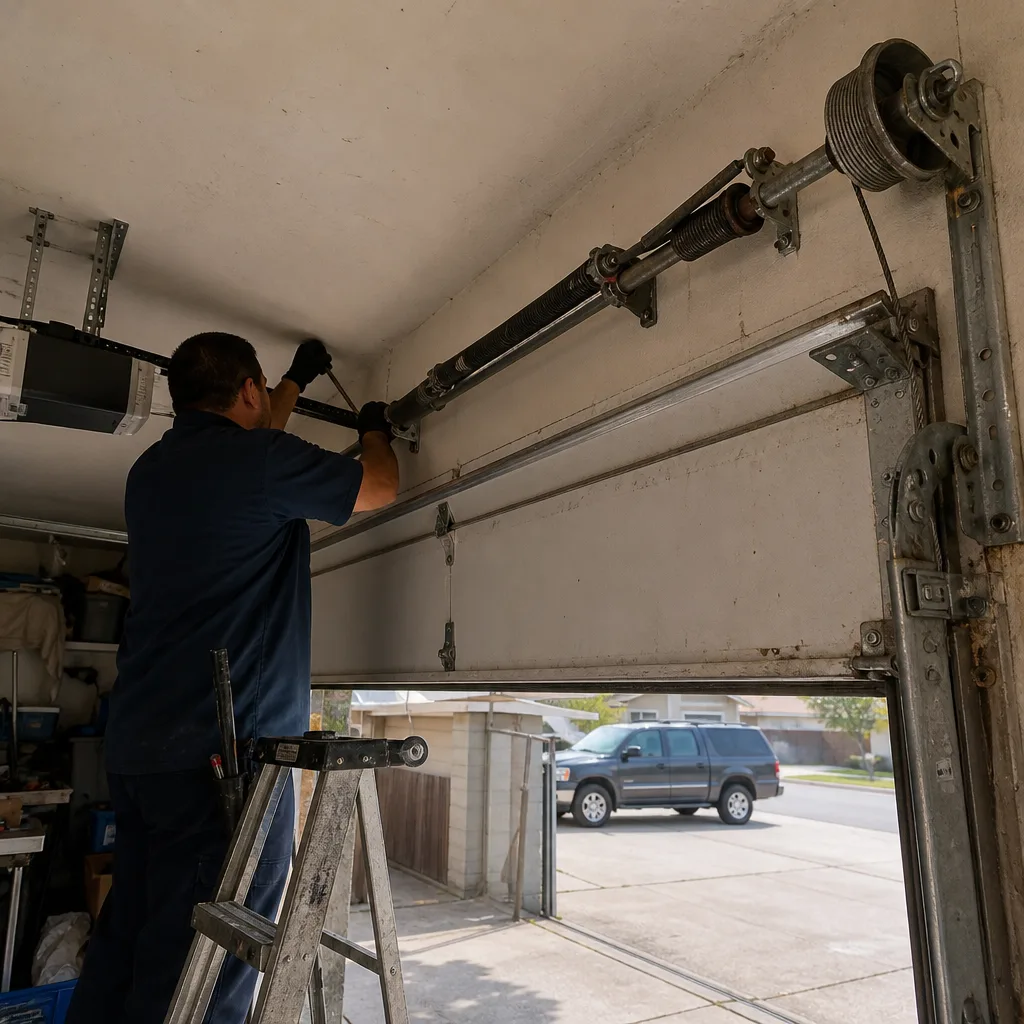
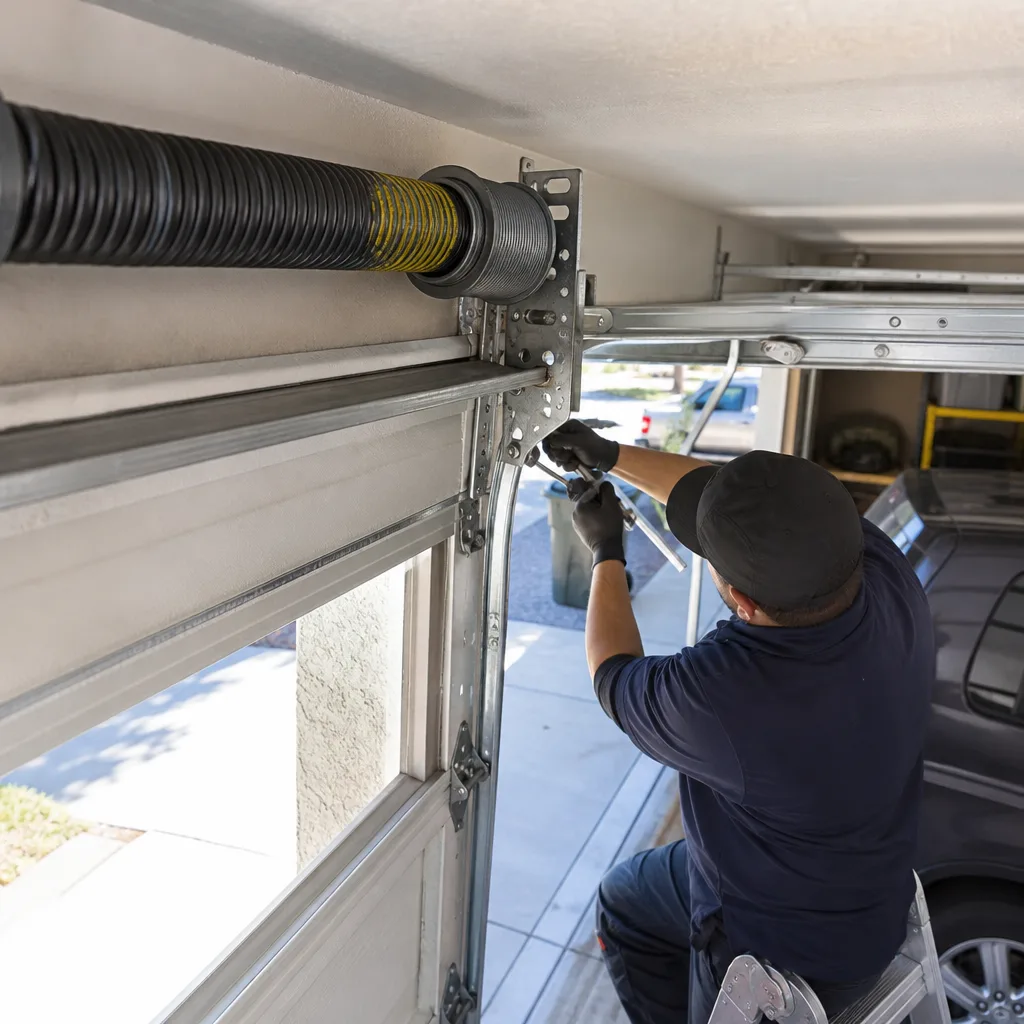
Some garage door work is straightforward inspection and maintenance. Other work is genuinely dangerous. Torsion springs are under hundreds of pounds of tension, and the cable assemblies that ride them are what keep the door from coming down unexpectedly. If you hear a loud bang from the garage, see a visible gap in a spring, or notice frayed cables near the drums, stop using the door and call a professional. These are not conditions to diagnose by eye while standing under the door. If your door is binding, shaking, opening unevenly, or making grinding sounds, the problem is usually in the spring tension or the track alignment, and both require trained hands to correct safely. San Bernardino Garage Door Co offers free estimates throughout San Bernardino, and we can evaluate your door, springs, tracks, and opener as one integrated system. We’ll quote the price before any work begins, and the number we give you is the number on your invoice. Call (855) 763-8905 to schedule an estimate.
Frequently Asked Questions
The best brand for San Bernardino is whichever steel-insulated door fits your budget, because the Inland Empire’s climate punishes finish fade and panel warping more than anything else. Clopay and Amarr both hold color well in our UV levels at the mid-tier and above, while CHI delivers strong durability per dollar for rentals. The brand matters less than the panel gauge and finish warranty.
A new double garage door installed in San Bernardino typically falls between $1,100 and $5,500 depending on material, insulation, and styling. Entry-level steel runs $1,100 to $1,600, mid-tier insulated steel runs $1,600 to $2,400, and premium or carriage-style doors start around $2,400 and go up from there. We’ll quote a fixed price after measuring your opening, and that price is locked before any work starts.
LiftMaster and Chamberlain are the most serviceable opener brands in San Bernardino because their parts are stocked by local distributors and carried on our trucks. Genie is a solid second choice with good local support. Belt-drive openers with DC motors are the right spec for most attached garages, and we recommend the same units we service.
In most cases, yes, we can install homeowner-purchased doors, but we generally recommend buying through us because we source from distributors we trust, we understand the brand’s quirks, and we’re responsible for the whole system if something isn’t right. When you buy through us, there’s one accountable party from panel to opener to spring, which keeps warranty claims and service simple.
A quality steel door with good finish lasts 15 to 25 years in San Bernardino if it’s properly installed and the springs are replaced when they fail. The springs themselves last 7 to 12 years on a standard cycle rating. The finish will fade before the panels fail on most doors, especially with western sun exposure, which is why finish warranty and paint quality deserve more attention than brand name.
Yes, we service and install the brands most commonly found in San Bernardino garages: LiftMaster, Chamberlain, Genie, Clopay, Amarr, Wayne Dalton, Craftsman, and Raynor. If a homeowner isn’t sure what brand they have, we identify the panel and opener on site and work on whichever system is present. We don’t refer out to other companies or turn away brands.
The Bottom Line
Choosing a garage door in San Bernardino comes down to four decisions: steel gauge, insulation type, finish warranty, and parts availability. Brands like Clopay, Amarr, Wayne Dalton, and CHI all build good doors, but they optimize for different tiers of the market, and the right choice depends on whether the door is protecting a rental, a family home, or a workshop. Pair the door with a properly sized LiftMaster, Chamberlain, or Genie opener, and insist on high-cycle springs. If you work with a company that services all of these brands, you get recommendations based on your house and your budget, not a dealership agreement. We’ve spent years working on every major door installed in San Bernardino, and we’re happy to apply that experience to your project. Call (855) 763-8905 for a free estimate and an honest, brand-neutral recommendation. You can also browse our San Bernardino Garage Door Co home page to learn more about the scope of our work and what we do differently.
Written by the team at San Bernardino Garage Door Co, serving San Bernardino since 2016. Explore more guides & resources on our blog.
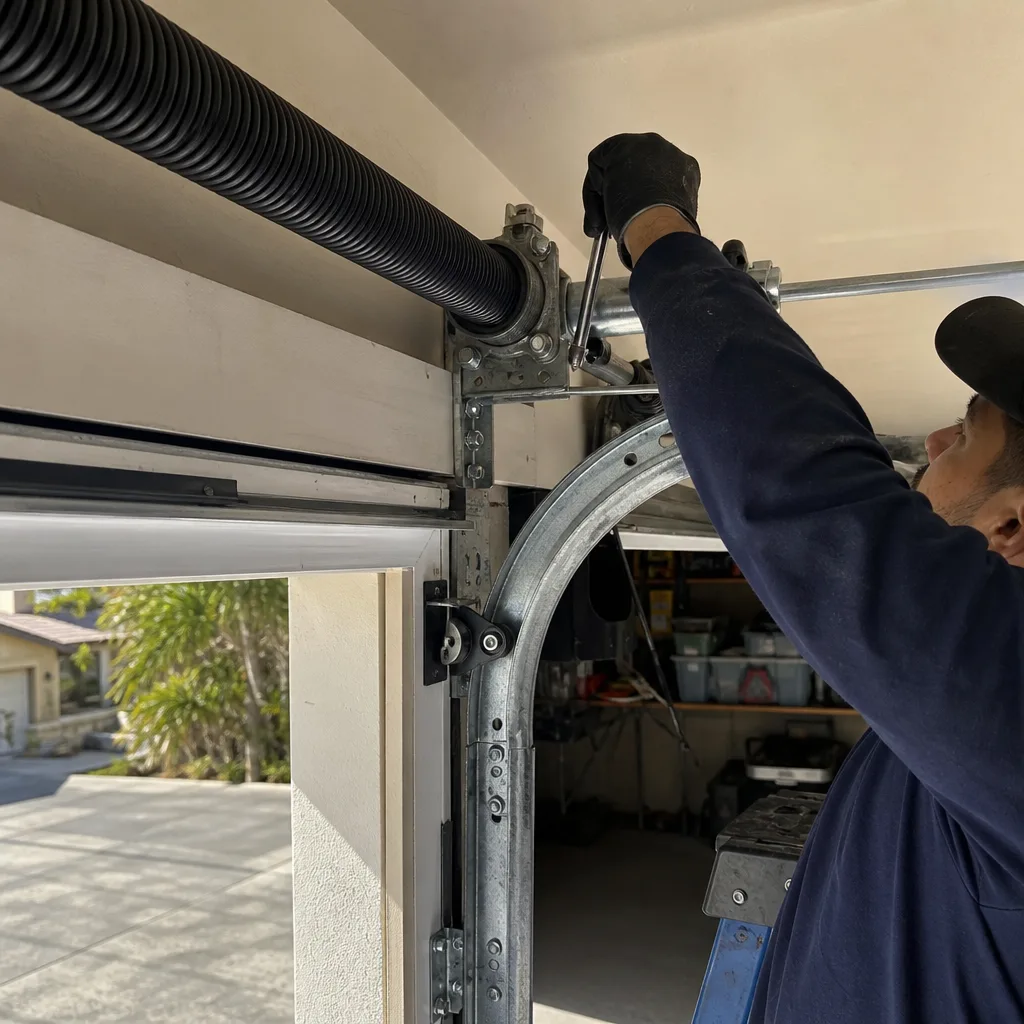
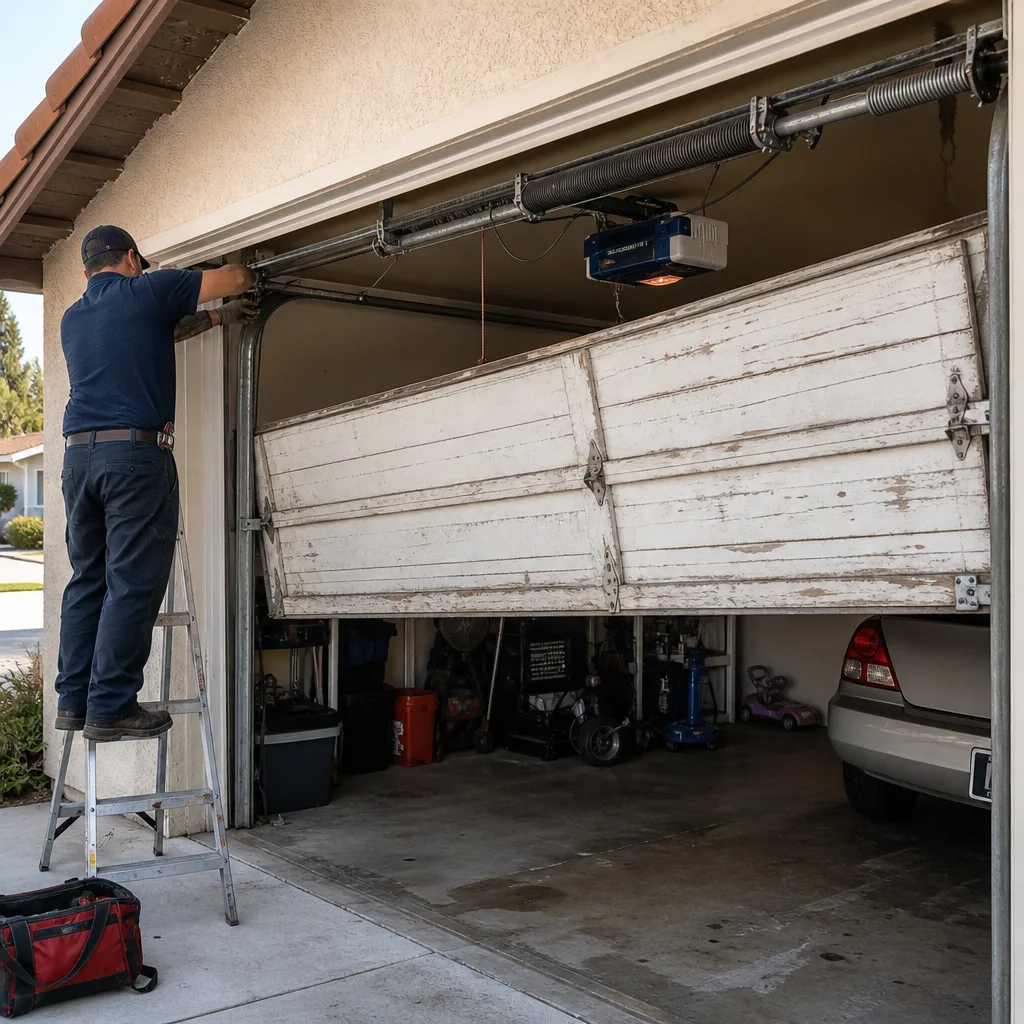
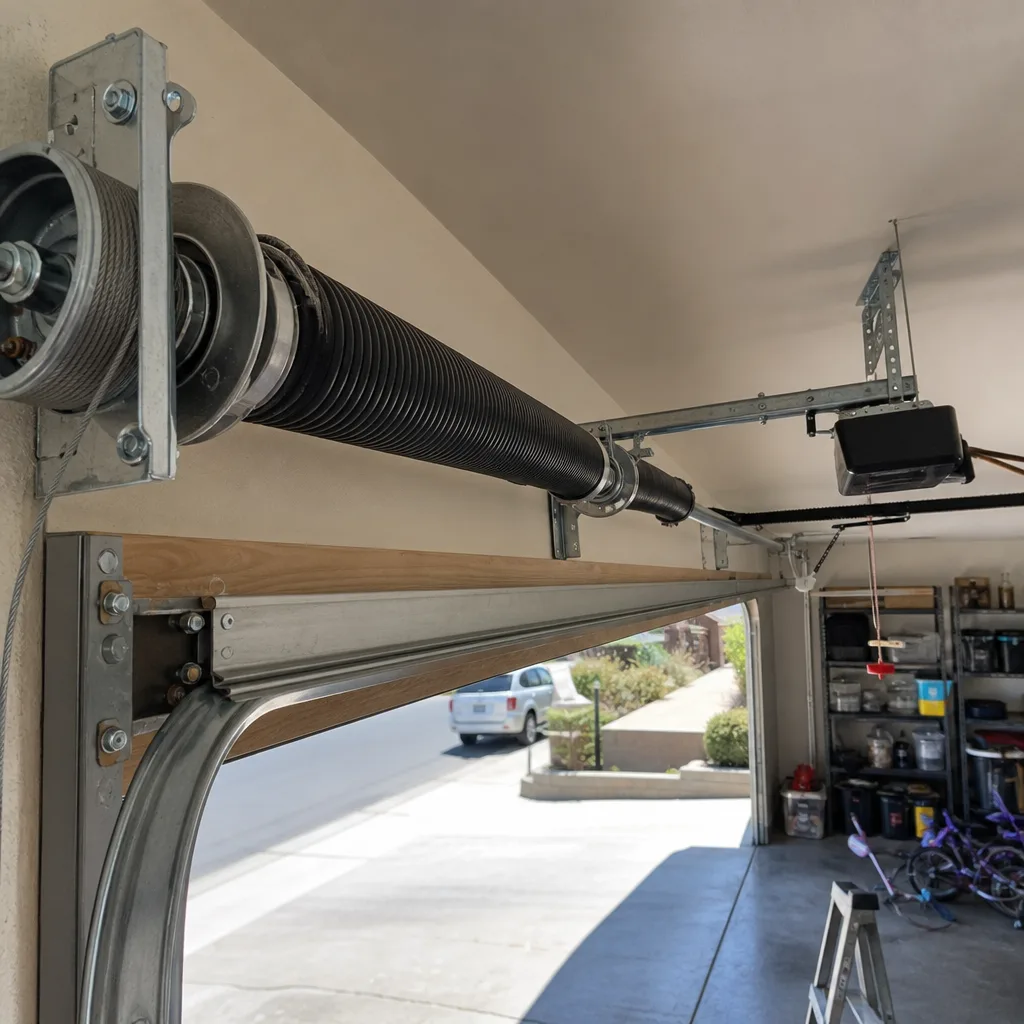
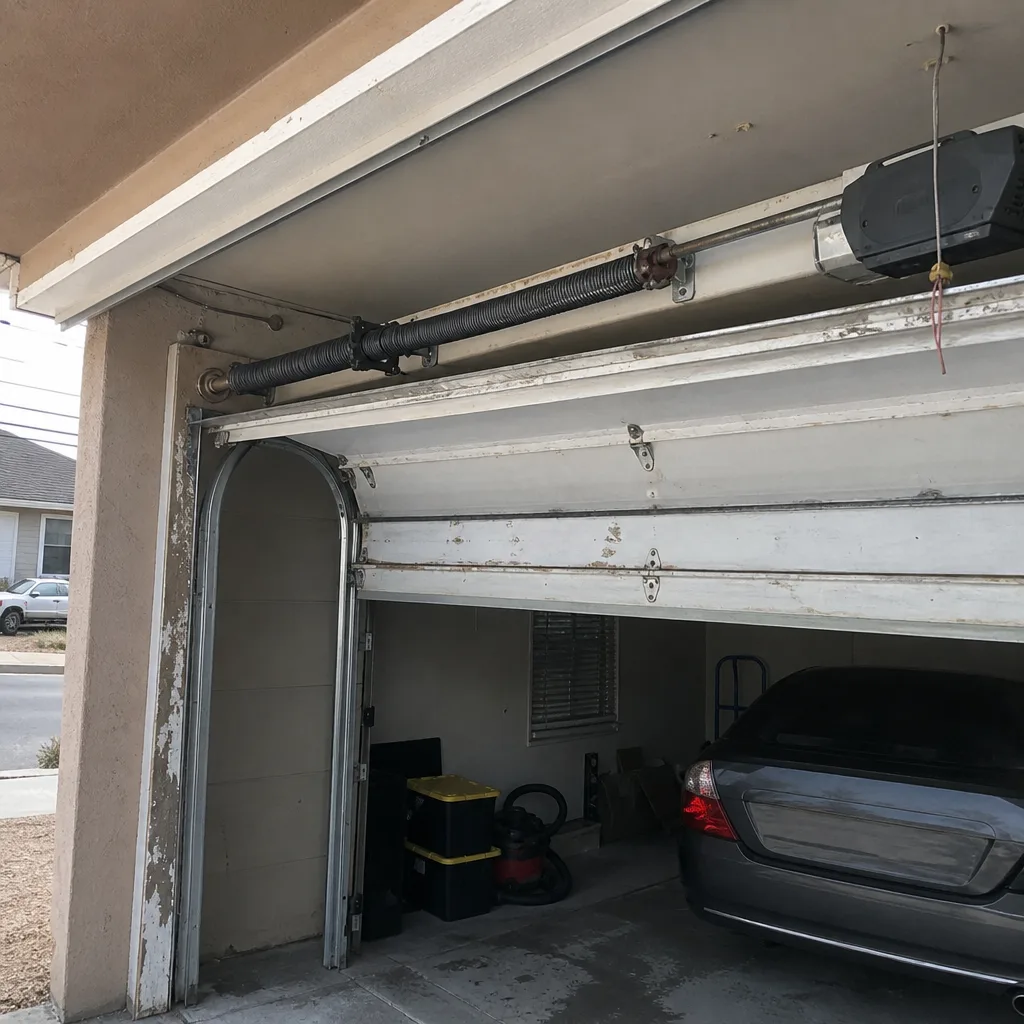
See the difference
 Before
 After
 Before
 After
 Before
 After